Sustainable Sourcing of Chinese Herbal Medicines Explained
- 时间:
- 浏览:92
- 来源:TCM1st
If you're into natural health or holistic wellness, you’ve probably heard about the booming popularity of Chinese herbal medicines. But here’s the real tea: not all herbs are created equal—especially when it comes to how they’re grown, harvested, and sourced. As someone who’s spent over a decade consulting for herbal brands and auditing supply chains, I’m breaking down what *sustainable sourcing* really means and why it should matter to you.
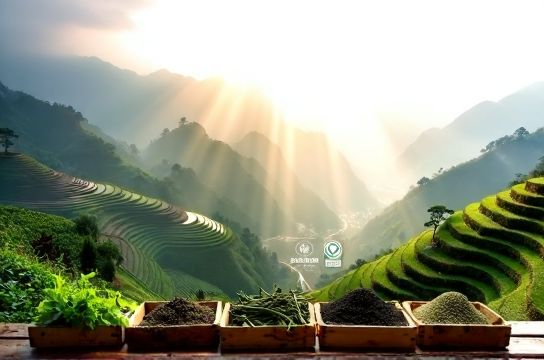
Let’s get one thing straight—traditional doesn’t always mean sustainable. Take Dang Gui (Angelica sinensis), a go-to herb for women’s health. Overharvesting in its native Gansu province has led to a 40% drop in wild populations over the last 15 years (China Biodiversity Red List, 2023). That’s not just bad for ecosystems—it threatens long-term availability and potency.
So what makes sourcing "sustainable"? It’s a mix of ethical farming, traceability, biodiversity protection, and fair labor practices. The best suppliers now follow guidelines like the FairWild Standard or China’s own GAP (Good Agricultural Practice) certification. Here’s a quick comparison:
| Certification | Wild Harvest Allowed? | Lab Testing Required? | Carbon Footprint Tracked? |
|---|---|---|---|
| Conventional Farming | Yes, unregulated | No | No |
| China GAP | Limited | Yes | Sometimes |
| Organic (EU/USDA) | No | Yes | Yes |
| FairWild | Yes, with quotas | Yes | Yes |
See the difference? Certifications like FairWild-certified herbs ensure wild plants aren’t stripped from their habitats and that harvesters are paid fairly. In fact, FairWild-cooperatives in Yunnan report up to 30% higher income for local pickers compared to conventional buyers.
Now, let’s talk contamination—a dirty little secret in the industry. A 2022 study by the Hong Kong Department of Health found heavy metals in 18% of imported bulk herbs, mostly due to soil pollution near industrial zones. Sustainable farms avoid this by growing in ecologically protected regions and testing every batch. Look for third-party lab results (think: HPLC or GC-MS reports) on product pages—reputable brands make these public.
And don’t sleep on climate impact. Did you know transporting dried herbs from China to the US by air freight emits ~5 kg CO₂ per kg of product? Sustainable suppliers use sea freight (0.8 kg CO₂/kg) and carbon-offset shipping. One leading brand even uses blockchain to track each batch from farm to bottle—talk about transparency!
Bottom line: choosing sustainably sourced Chinese herbal medicines isn’t just eco-friendly—it’s smarter medicine. You get cleaner, more potent herbs while supporting communities and conservation. Next time you shop, skip the sketchy bulk bins and opt for certified, traceable products. Your body—and the planet—will thank you.