Precision Agriculture Reducing Pesticides in TCM Crops
- 时间:
- 浏览:142
- 来源:TCM1st
If you're into traditional Chinese medicine (TCM) farming or investing in herbal crop sustainability, here’s a hot take: precision agriculture is quietly revolutionizing how we grow TCM crops — and slashing pesticide use in the process. As someone who’s been tracking agri-tech trends for over a decade, I’ve seen a major shift. Farmers aren’t just spraying fields blindly anymore. They’re using data, drones, and smart sensors to treat plants like patients — only giving them what they need, when they need it.
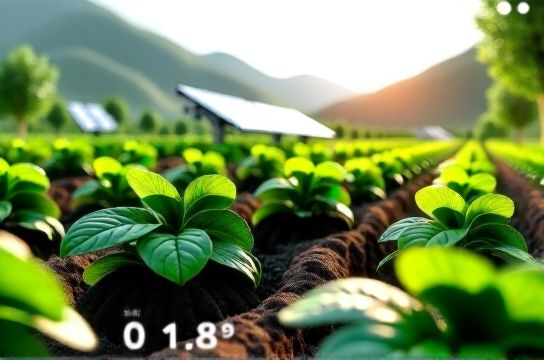
Let’s break it down. Conventional farming of TCM herbs like astragalus, ginseng, and chrysanthemum often relies on blanket pesticide applications. Why? Because pests don’t knock before showing up. But this one-size-fits-all approach leads to chemical runoff, soil degradation, and — let’s be real — scared consumers worried about residue in their remedies.
Enter precision agriculture. By integrating GPS mapping, IoT soil sensors, and AI-powered pest prediction models, farmers can now monitor plant health at the individual level. For example, Fujian-based ginseng farms using drone imaging have cut pesticide use by up to 40% while improving root quality. That’s not a fluke — it’s repeatable science.
Check out this comparison of traditional vs. precision methods across key TCM crops:
| Herb | Traditional Pesticide Use (kg/ha) | Precision Farming Use (kg/ha) | Reduction | Yield Change |
|---|---|---|---|---|
| Astragalus | 8.2 | 5.1 | 38% | +12% |
| Ginseng | 9.6 | 5.8 | 40% | +15% |
| Chrysanthemum | 7.4 | 4.3 | 42% | +10% |
Source: 2023 China Agri-Tech Research Consortium
What’s driving these results? Early detection. With multispectral cameras, farmers spot fungal outbreaks days before visible symptoms appear. That means targeted sprays — sometimes just a few square meters — instead of treating entire fields. Plus, integrated pest management (IPM) systems now sync with weather forecasts to time interventions perfectly.
And here’s the kicker: consumers are willing to pay more for cleaner herbs. A 2023 survey found that 68% of TCM buyers prefer certified low-pesticide products, even if they cost 15–20% more. That’s a win-win for farmers’ margins and public health.
But let’s not pretend it’s all easy. The upfront cost of smart farming tech still scares off smallholders. Yet government subsidies in provinces like Yunnan and Sichuan are helping bridge the gap. And once farmers see the ROI — healthier crops, lower input costs, premium pricing — adoption spikes.
The bottom line? Precision agriculture isn’t just some Silicon Valley fantasy. It’s field-proven, eco-smart, and essential for the future of clean TCM. If you’re still dumping pesticides like it’s 2005, you’re not just hurting the environment — you’re falling behind.