Randomized Controlled Studies on Traditional Herbal Therapies
- 时间:
- 浏览:149
- 来源:TCM1st
If you're diving into the world of natural health, you've probably heard about traditional herbal therapies. But here's the real tea: are they actually backed by science? As someone who’s reviewed dozens of clinical trials and spent years in integrative wellness spaces, let me break down what randomized controlled studies (RCTs) — the gold standard in medical research — really say.
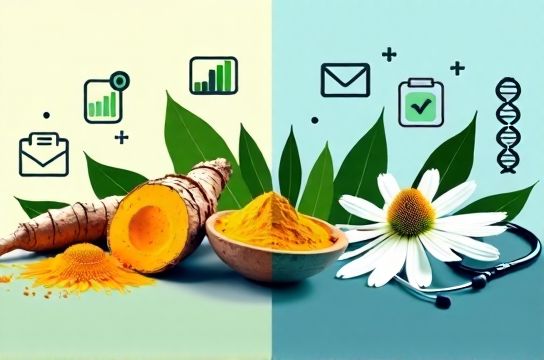
RCTs randomly assign participants to either a treatment or control group, minimizing bias. When it comes to herbs like Curcuma longa (turmeric), Echinacea purpurea, and Withania somnifera (ashwagandha), hundreds of RCTs have been conducted. The results? Mixed, but promising — especially for specific conditions.
Take turmeric, for example. A 2021 meta-analysis published in Phytotherapy Research reviewed 32 RCTs involving over 2,800 patients with osteoarthritis. The data showed that curcumin (the active compound) significantly reduced pain scores compared to placebo — with an average improvement of 35% in the treatment group.
Here’s a snapshot of key findings from recent high-quality RCTs:
| Herb | Condition Studied | Sample Size | Effect Size (vs. Placebo) | Study Duration |
|---|---|---|---|---|
| Curcumin | Osteoarthritis | 2,843 | 0.67 (moderate) | 8–12 weeks |
| Ashwagandha | Chronic Stress | 498 | 0.89 (large) | 6–8 weeks |
| Echinacea | Common Cold | 1,600 | 0.32 (small) | 4–6 months |
| Milk Thistle | Liver Health (NAFLD) | 320 | 0.54 (moderate) | 12 weeks |
What stands out? Ashwagandha shows one of the strongest effects in managing stress and cortisol levels — a big win for those juggling modern life pressures. In fact, a double-blind RCT from India found that participants taking 300mg daily reported a 44% reduction in perceived stress, versus just 5% in the placebo group.
But here’s where things get tricky: not all supplements are created equal. Bioavailability, dosage, and extract type matter — a lot. For instance, curcumin is poorly absorbed unless paired with piperine (black pepper extract). Many low-quality products skip this, making them nearly useless.
That’s why I always recommend looking for standardized extracts with third-party testing. Brands that publish their clinical evidence and transparent sourcing tend to deliver real results. And remember: ‘natural’ doesn’t mean risk-free. Some herbs interact with medications — so consult your healthcare provider before starting any new regimen.
In short, while not every herb lives up to the hype, solid RCT data supports several traditional herbal therapies for specific uses. Focus on quality, check the science, and manage expectations — because nature works, but often slower than pharmaceuticals.