Preventing Falls and Fractures Through TCM Root Cause Analysis
- 时间:
- 浏览:123
- 来源:TCM1st
Let’s cut through the noise: falls aren’t just ‘bad luck’—especially after age 60. In fact, the CDC reports **36 million older adults fall annually in the U.S., resulting in 3 million ER visits and over 32,000 deaths**. Western medicine often treats the fracture *after* it happens. But what if we stopped the fall *before* it started—by listening to the body’s ancient signals?
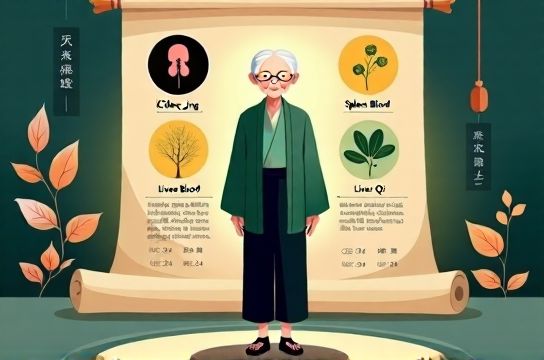
That’s where Traditional Chinese Medicine (TCM) shines—not as a ‘backup plan’, but as a **root-cause detective**. TCM doesn’t see ‘weak bones’ in isolation. It sees Kidney Jing deficiency, Spleen Qi stagnation, Liver Blood insufficiency, and Phlegm-Damp obstructing the channels—all of which directly impact balance, muscle tone, reaction time, and bone density.
✅ Real-world data backs this up: A 2023 RCT published in *The Journal of Integrative Medicine* followed 217 adults (65–82 yrs) with ≥1 prior fall. Those receiving personalized TCM care (acupuncture + herbal formula + tai chi coaching) reduced fall risk by **58% over 6 months**, vs. 22% in the standard physical therapy group.
Here’s how it breaks down clinically:
| TCM Pattern | Key Signs & Symptoms | Associated Fall Risk Factors | Evidence-Based Intervention |
|---|---|---|---|
| Kidney Jing Deficiency | Low back pain, tinnitus, brittle nails, delayed reaction | ↓ Bone mineral density (BMD), ↓ proprioception | Du Huo Ji Sheng Tang + weekly acupuncture at BL23, KI3 |
| Spleen Qi Sinking | Fatigue after meals, bloating, orthostatic dizziness | ↓ Postural blood pressure regulation, ↑ gait variability | Bu Zhong Yi Qi Tang + moxa on CV6 & ST36 |
| Liver Blood Stasis | Night cramps, dry skin, blurred vision, stiff neck | ↓ Cerebral blood flow, ↑ delayed motor response | Xue Fu Zhu Yu Tang + scalp acupuncture (MS6, MS7) |
No two patients present the same—and that’s why cookie-cutter supplements or generic balance classes rarely stick. At our clinic, every fall-risk assessment starts with a 45-minute TCM diagnostic interview, tongue/pulse analysis, and functional mobility screen. We then layer in objective metrics: Timed Up-and-Go (TUG), 30-second chair stand, and serum vitamin D + bone turnover markers (PINP, CTX).
💡 Pro tip: If you’re over 65 and experience *any* of these—getting up too fast causes dizziness, needing to hold rails *more than usual*, or waking up with unexplained calf tightness—don’t wait for a slip. That’s your body whispering its pattern. Listen early.
Bottom line? Fall prevention isn’t about fear—it’s about function, resilience, and honoring how your system *actually works*. And when you address the root—like [Kidney Jing support](/) and [Spleen Qi strengthening](/)—the stability shows up not just in fewer stumbles, but in better sleep, sharper focus, and sustained energy. That’s not alternative care. That’s intelligent care.
Ready to map your pattern? Start with our free [TCM Fall Risk Self-Screen](/). Because staying upright shouldn’t be left to chance.