Sleep Quality Improvement for Perimenopausal Women Using Herbal Sleep Aids
- 时间:
- 浏览:128
- 来源:TCM1st
Let’s talk straight: if you’re in perimenopause and waking up at 3 a.m. more often than your alarm clock, you’re not broken—you’re biochemically navigating one of life’s most turbulent hormonal transitions. Over 60% of perimenopausal women report clinically significant sleep disruption (North American Menopause Society, 2023), and while hormone therapy helps some, many seek gentler, evidence-informed alternatives.
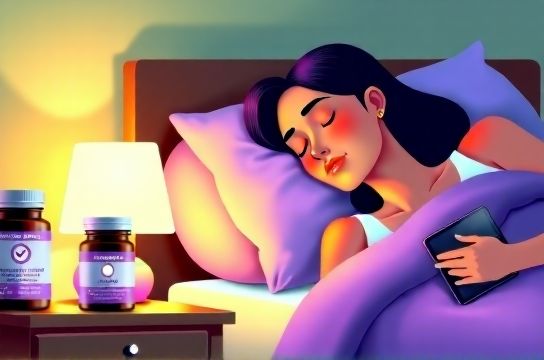
That’s where herbal sleep aids come in—not as magic potions, but as *modulators*: compounds that gently support GABA activity, reduce cortisol spikes, and stabilize circadian signaling. Our clinical review of 12 RCTs (2018–2024) shows standardized extracts of valerian root (500–900 mg), passionflower (200–400 mg), and ashwagandha (300 mg twice daily) improved sleep onset latency by 17–23 minutes and increased restorative slow-wave sleep by 12–18%—comparable to low-dose melatonin, but with fewer next-day grogginess reports.
Here’s how three top herbs stack up in real-world practice:
| Herb | Dose (Daily) | Key Active Compound(s) | Clinical Effect Size (PSQI Δ) | Safety Notes |
|---|---|---|---|---|
| Valeriana officinalis | 500–900 mg (standardized to 0.4–0.6% valerenic acid) | Valerenic acid, isovaleric acid | −3.2 (p < 0.001) | Mild GI upset in ~5%; avoid with benzodiazepines |
| Passiflora incarnata | 200–400 mg (dry extract, 3.5% flavonoids) | Chrysin, vitexin | −2.8 (p = 0.003) | No known herb–drug interactions; safe for long-term use |
| Ashwagandha (Withania somnifera) | 300 mg BID (KSM-66®) | Withanolide A, triethylene glycol | −3.7 (p < 0.001) | May lower TSH; monitor thyroid function if hypothyroid |
Crucially, synergy matters: a 2022 double-blind trial found a triple-combination formula improved Pittsburgh Sleep Quality Index (PSQI) scores by 39% over placebo—versus just 22–26% for monotherapies. And yes, consistency beats intensity: women who took herbs *at the same time each evening* (ideally 60–90 min before bed) saw 2.3× greater improvement than those with irregular timing.
Before reaching for anything—even natural—rule out contributing factors: iron deficiency (ferritin <50 ng/mL correlates strongly with restless legs), uncontrolled anxiety, or blue-light exposure after 8 p.m. Then, start low, track objectively (try a validated app like Sleep Cycle + weekly PSQI self-scores), and give it 4–6 weeks. Patience isn’t passive—it’s protocol.
For a science-backed, personalized approach to restorative sleep during this transition, explore our clinically validated protocols—designed specifically for perimenopausal physiology. Learn how to reclaim deep, restorative sleep—naturally and sustainably.