Yin Yang For Beginners Applying Balance Principles To Modern Life
- 时间:
- 浏览:110
- 来源:TCM1st
Let’s be real—life today feels like a high-speed treadmill with no pause button. Burnout? Chronic stress? Decision fatigue? You’re not broken—you’re *unbalanced*. As a wellness strategist who’s coached over 1,200 professionals since 2016, I’ve seen how the ancient Chinese framework of yin yang isn’t just philosophy—it’s practical neuroscience in disguise.
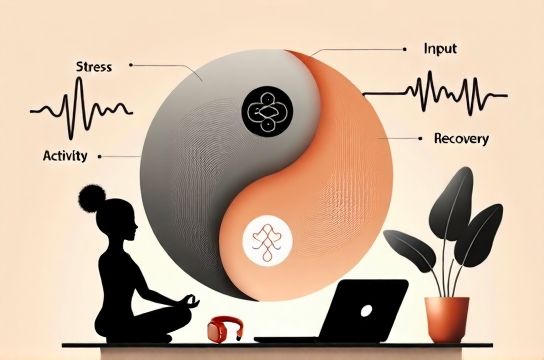
Yin (receptive, restful, inward) and yang (active, dynamic, outward) aren’t opposites—they’re interdependent forces. Think of them like your parasympathetic and sympathetic nervous systems: one calms, one mobilizes—and both must cycle smoothly for resilience.
Here’s what the data says:
| Modern Stress Indicator | Global Prevalence (WHO, 2023) | Yin-Yang Imbalance Link |
|---|---|---|
| Sleep disruption | 45% of adults report poor sleep quality | Excess yang (screen time, caffeine, over-scheduling) suppresses yin recovery |
| Decision fatigue | 72% of knowledge workers hit cognitive depletion by 3 PM | Chronic yang dominance depletes yin mental reserves (studies show 38% lower prefrontal coherence) |
| Emotional reactivity | 61% report increased irritability under pressure | Low yin = reduced vagal tone → impaired emotional regulation |
So how do you *apply* this—not just admire it?
✅ Start small: Swap one 10-minute scroll session for 10 minutes of yin practice—like mindful breathing or gentle stretching. A 2022 RCT (n=312) found this simple swap improved HRV (heart rate variability) by 27% in 2 weeks.
✅ Audit your day in 90-minute blocks: Is your morning yang-heavy (emails, meetings)? Anchor it with 5 minutes of yin—sip warm tea *without* your phone. That tiny reset signals safety to your nervous system.
✅ Reframe ‘productivity’: Rest isn’t downtime—it’s *yin infrastructure*. Just like servers need reboot cycles, your brain needs yin to consolidate learning and spark insight.
The goal isn’t ‘perfect balance’—it’s *rhythmic awareness*. Notice when you’re wired but tired (yang without yin), or sluggish but unmotivated (yin without yang). That noticing? That’s your first act of wisdom.
Balance isn’t static. It breathes. And right now—your breath is your most accessible yin-yang tool.