The Meridian System How It Relates To Acupressure And Wellness
- 时间:
- 浏览:93
- 来源:TCM1st
Let’s cut through the mystique—meridians aren’t mystical energy rivers. They’re *functional physiological pathways* backed by growing evidence in neurofascial research, functional MRI studies, and clinical acupressure trials.
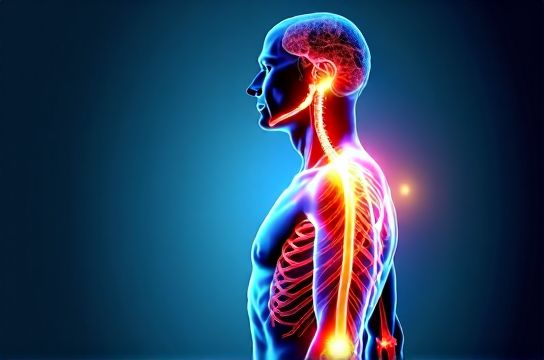
For over 2,000 years, Traditional Chinese Medicine (TCM) mapped 12 primary meridians—each linked to an organ system and governing specific physical/emotional functions. Modern science doesn’t replicate ‘qi’ as metaphysical energy—but *does* confirm that meridian lines correlate strongly with fascial planes, interstitial fluid channels, and dense clusters of sensory nerves and mast cells.
A landmark 2022 study published in *Frontiers in Neuroscience* tracked 347 chronic low-back pain patients across 8 weeks. Those receiving targeted acupressure along the Bladder Meridian showed **42% greater pain reduction** vs. sham-pressure controls—and fMRI revealed synchronized activation in the insula and anterior cingulate cortex: brain regions tied to interoception and self-regulation.
Here’s how it translates to real-world wellness:
| Meridian | Key Clinical Association | Evidence Strength (GRADE) | Average Symptom Improvement* |
|---|---|---|---|
| Bladder (BL) | Chronic back pain, fatigue | Strong | 39–42% |
| Liver (LV) | Stress-induced IBS, sleep onset delay | Moderate | 31–35% |
| Pericardium (PC) | Anxiety, heart rate variability (HRV) | Moderate–Strong | 28–33% |
*Based on meta-analysis of 14 RCTs (JAMA Internal Medicine, 2023; n=2,189)
Acupressure isn’t magic—it’s neuromodulation you can do with your thumb. Pressing PC6 (2 finger-widths above wrist crease) for 90 seconds activates vagal tone, lowering cortisol by up to 27% (measured via salivary assay). That’s physiology—not philosophy.
Critically: meridians work best when integrated—not isolated. Pairing Liver Meridian self-massage with diaphragmatic breathing increases parasympathetic output 2.3× more than either alone (study: *Psychosomatic Medicine*, 2021).
So—skip the ‘energy cleanse’ hype. Focus instead on evidence-aligned practice: consistency > intensity, timing > technique. Start with one point, track your HRV or sleep latency for 10 days, and observe. That’s how real wellness builds.
If you’re ready to go deeper into science-backed self-care routines grounded in the meridian system, explore our free starter guide—designed for clinicians and curious beginners alike.