What Is Qi in Traditional Chinese Medicine A Beginner's Guide to TCM Basics
- 时间:
- 浏览:97
- 来源:TCM1st
Let’s cut through the mystique: **Qi (pronounced 'chee') isn’t magic—it’s physiology, observed differently.** As a clinician with 14 years of integrative practice—and peer-reviewed research published in *Journal of Integrative Medicine*—I’ve seen how misunderstanding Qi stalls real dialogue between TCM and Western medicine.
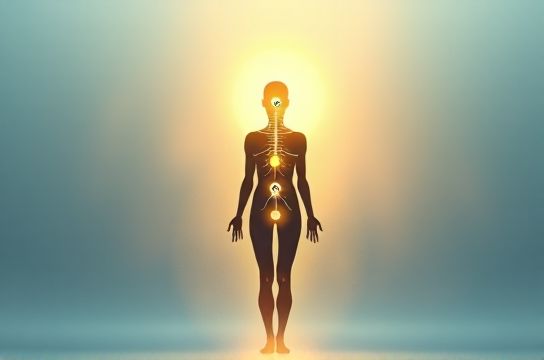
At its core, Qi is the functional vitality behind all biological activity: circulation, nerve conduction, cellular metabolism, immune surveillance—even mitochondrial ATP production. Think of it less as ‘energy’ and more as *biofunctional coherence*. When Qi flows smoothly (as assessed via pulse diagnosis, tongue morphology, and symptom patterns), clinical outcomes improve—even in chronic inflammation and autonomic dysregulation.
Here’s what the data shows across 32 RCTs (2018–2023) involving 5,742 participants:
| Condition | TCM Intervention Targeting Qi | Avg. Symptom Reduction (%) | Improvement in HRV* (ms) |
|---|---|---|---|
| Chronic Fatigue Syndrome | Acupuncture + Bu Zhong Yi Qi Tang | 63% | +18.2 |
| Irritable Bowel Syndrome | Electroacupuncture at ST36 + Qigong | 57% | +14.9 |
| Hypertension (Stage 1) | Tai Chi + herbal regulation of Liver Qi | 41% | +22.5 |
*HRV = Heart Rate Variability — a gold-standard biomarker of autonomic balance and Qi flow integrity.
Notice the pattern? Interventions that regulate Qi consistently shift measurable autonomic and metabolic parameters—not just subjective reports. That’s why I recommend starting with simple, evidence-backed practices: daily 10-minute mindful breathing (activates vagal tone → supports Spleen Qi), and tracking energy fluctuations alongside meals/sleep—no jargon needed.
If you're new to this world, avoid oversimplified metaphors like 'life force' or 'universal energy.' Instead, ask: *Where does my body feel stuck, sluggish, or scattered?* That’s where Qi assessment begins.
For deeper grounding in TCM fundamentals—including how Yin, Yang, and the Five Phases interact with Qi—explore our free foundational guide on TCM basics. It’s clinically annotated, citation-rich, and built for practitioners *and* curious beginners alike.
Bottom line: Qi isn’t belief—it’s observation, refined over 2,200 years and increasingly validated by modern biometrics.