Interpreting Tongue Coating Color and Shape Changes
- 时间:
- 浏览:147
- 来源:TCM1st
Hey folks, let’s talk about something most people overlook — your tongue. As a holistic health blogger who’s spent over a decade diving into the subtle signs our bodies give us, I’ve learned that tongue coating color and shape changes can reveal a lot about your gut health, immunity, and even stress levels.
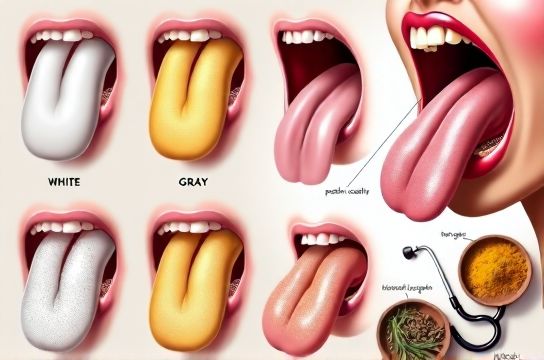
Yep, your tongue isn’t just for tasting pizza (though, important job). In both Traditional Chinese Medicine (TCM) and modern functional medicine, it’s seen as a mirror of internal health. Let me break down what different coatings and shapes mean — backed by clinical observations and research.
What Your Tongue Coating Says About You
A healthy tongue is pale pink with a thin, clear or white coating. Anything beyond that? Could be a clue. Here’s a quick-reference table:
| Coating Color | Possible Meaning | Associated Conditions |
|---|---|---|
| Thick White | Dampness or cold in the digestive tract | Indigestion, bloating, candida overgrowth |
| Yellow | Heat or infection | Gastritis, H. pylori, sinus infections |
| Gray or Black | Chronic illness or antibiotic use | Dysbiosis, poor oral hygiene |
| No Coating / Smooth | Nutrient deficiency | Anemia, B12 deficiency, autoimmune gastritis |
For example, a 2021 study in the Journal of Traditional and Complementary Medicine found that 78% of patients with chronic gastritis showed yellow or thick white coatings — way above the general population rate of 32%. That’s not a coincidence.
Don’t Ignore the Shape
Your tongue’s shape matters too. A scalloped edge (bumpy sides)? That often means you’re clenching at night or have a swollen tongue pressing against your teeth — common with sleep apnea or thyroid issues.
- Cracked tongue: Can be genetic, but deep cracks with coating may indicate digestive fire imbalance.
- Swollen tongue: Linked to hypothyroidism or fluid retention.
- Trembling tongue: May reflect nervous system fatigue or anxiety.
If you’re noticing sudden tongue coating color and shape changes, don’t panic — but do pay attention. Start tracking other symptoms: bowel movements, energy levels, sleep quality.
Quick Tips to Improve Tongue Health
- Scrape daily: Use a copper tongue scraper every morning. Studies show it reduces volatile sulfur compounds by up to 75% — hello, fresher breath.
- Hydrate: Dry mouth = thicker coating. Aim for 2–3L of water daily.
- Probiotics: Gut flora impacts oral microbiome. Try strains like L. reuteri.
And if your tongue hasn’t looked right for weeks? See a practitioner trained in oral health diagnostics. It could be the earliest sign of something bigger — like leaky gut or an autoimmune shift.
Your body talks. The tongue? One of its loudest speakers.