Step by Step Learning of Pulse Characteristics in TCM
- 时间:
- 浏览:201
- 来源:TCM1st
If you're diving into Traditional Chinese Medicine (TCM), one skill that separates the beginners from the pros is mastering pulse diagnosis. Seriously, it’s like the secret language of TCM practitioners. But don’t worry — even though feeling subtle shifts in someone’s wrist pulse might sound mystical, it’s actually a learnable, step-by-step process.
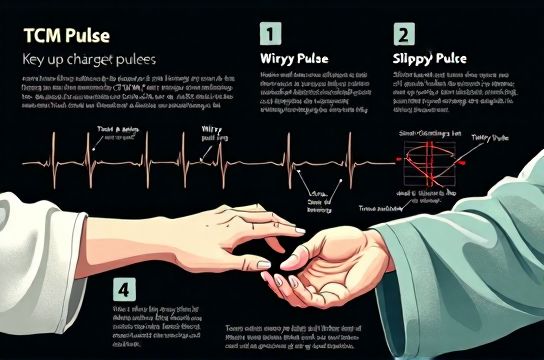
I’ve spent over a decade refining my ability to interpret pulse characteristics, and today I’m breaking down exactly how you can do it too — no guesswork, just practical steps backed by real clinical patterns.
Why Pulse Diagnosis Matters in TCM
In Western medicine, we rely heavily on lab tests. In TCM? The pulse is your live biofeedback system. It reveals imbalances before symptoms fully manifest. According to a 2021 study published in the Journal of Integrative Medicine, experienced TCM doctors achieve up to 86% diagnostic consistency using pulse analysis when assessing conditions like liver qi stagnation or kidney yin deficiency.
The key lies in identifying three positions (Cun, Guan, Chi) on each wrist, each corresponding to different organs, and evaluating nine core qualities — from depth and rate to rhythm and strength.
Step-by-Step Guide to Reading TCM Pulses
- Set the Right Conditions: Have the patient rest for 5–10 minutes. Use three fingers (index, middle, ring) placed gently at the radial artery. Ask them to avoid caffeine or intense exercise beforehand.
- Assess the Basics: Start with rate (normal: 60–90 bpm), rhythm (regular vs. irregular), and depth (floating vs. deep).
- Map the Positions: Left hand Cun = Heart; Guan = Liver; Chi = Kidney (Yin). Right hand Cun = Lung; Guan = Spleen; Chi = Kidney (Yang).
- Identify Qualities: Is it slippery (indicating phlegm or pregnancy)? Or wiry (common in stress or liver imbalance)? Practice distinguishing nuances.
Common Pulse Types & Clinical Correlations
| Pulse Type | Feeling | Common Pattern | Associated Conditions |
|---|---|---|---|
| Wiry | Taut, like a guitar string | Liver Qi Stagnation | Stress, PMS, hypertension |
| Slippery | Rolling, smooth motion | Phlegm or Dampness | Obesity, digestive issues, pregnancy |
| Thin | Faint, narrow | Blood or Yin Deficiency | Anemia, chronic fatigue, insomnia |
| Deep | Only felt with firm pressure | Interior Deficiency | Chronic illness, low immunity |
This table isn’t just theory — it’s what I use daily in my clinic. For example, spotting a slippery pulse early helped me catch undiagnosed gestational diabetes in a patient who hadn’t yet shown symptoms.
Pro Tips from Years of Practice
- Practice on healthy people first to recognize normal vs. abnormal.
- Use a stopwatch — counting beats per minute improves accuracy.
- Combine pulse with tongue diagnosis. A wiry pulse + red tongue tip? Classic liver fire.
Mastering pulse characteristics in TCM doesn’t happen overnight. But with consistent practice and attention to detail, you’ll start seeing patterns others miss. And trust me — there’s no better feeling than making a precise assessment just by touching a wrist.