Create Personalized TCM Meal Plans Based on Body Constitution Types
- 时间:
- 浏览:135
- 来源:TCM1st
If you've ever wondered why your friend thrives on a high-protein diet while you feel sluggish—blame it on your body type. In Traditional Chinese Medicine (TCM), one size doesn’t fit all, especially when it comes to food. The secret? Personalized TCM meal plans based on your unique body constitution.
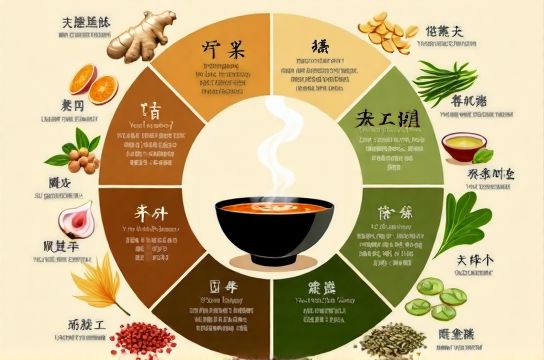
Unlike Western diets that focus on calories and macros, TCM looks at balance—yin and yang, hot and cold, internal organs. There are nine recognized body constitutions in TCM, with the most common being Qi deficiency, Yin deficiency, and Damp-Heat. Knowing yours can transform how you eat—and feel.
Why Generic Diets Fail (And What to Do Instead)
Ever tried keto or intermittent fasting only to feel more tired or break out? That’s because these plans ignore your body constitution types. A 2021 study in the Journal of Ethnopharmacology found that individuals following TCM-based dietary advice reported 68% better digestion and energy levels compared to standardized diets.
Take Qi deficiency, for example. People with this type often feel fatigued, have weak immunity, and speak softly. Cooling foods like salads or raw smoothies? Big no. They need warm, cooked meals—think congee with ginger and lean chicken.
The 9 TCM Body Types & What to Eat
Here’s a quick-reference table to match your traits with your likely constitution and ideal foods:
| Constitution | Key Traits | Foods to Eat | Foods to Avoid |
|---|---|---|---|
| Qi Deficiency | Fatigue, shortness of breath | Rice, sweet potato, chicken | Raw veggies, iced drinks |
| Yin Deficiency | Dry skin, night sweats | Soybean, pear, duck meat | Spicy food, alcohol |
| Damp-Heat | Oily skin, bad breath | Bitter melon, green tea | Fried food, lamb |
| Yang Deficiency | Cold limbs, low libido | Walnut, shrimp, cinnamon | Icy foods, cucumber |
Note: This is a simplified version. For accurate typing, consult a licensed TCM practitioner. But this gives you a solid starting point.
Build Your Own TCM meal plan
Let’s say you’re Yin deficient. Your morning routine should avoid coffee (too heating) and instead start with chrysanthemum tea and a steamed pear. Lunch? Try tofu stir-fry with lotus root. Dinner could be duck soup with goji berries—cooling and nourishing.
Prepping meals weekly? Batch-cook mung bean soup (great for Damp-Heat types) or simmer astragalus chicken stew (perfect for Qi deficiency).
Final Tip: Listen to Your Body, Not Trends
The best diet isn’t the trendiest—it’s the one that aligns with your body constitution types. Start by journaling how foods make you feel. Bloated after dairy? Likely Phlegm-Damp. Energized by warming spices? Probably Yang deficient.
With a little awareness and the right knowledge, you can create personalized TCM meal plans that don’t just feed your body—but heal it.