Spring Liver Cleansing Foods in TCM Including Chrysanthemum and Dandelion
- 时间:
- 浏览:133
- 来源:TCM1st
If you’ve ever felt sluggish, irritable, or noticed dull skin or mild digestive hiccups come springtime—your Liver (in Traditional Chinese Medicine terms) might be whispering for support. Unlike the anatomical liver, the TCM Liver governs Qi flow, emotional regulation, and detoxification pathways—and spring is *its* season. That’s why TCM practitioners consistently recommend gentle, seasonal foods to nourish and clear it—not with drastic 'cleanses,' but with time-tested botanical allies.
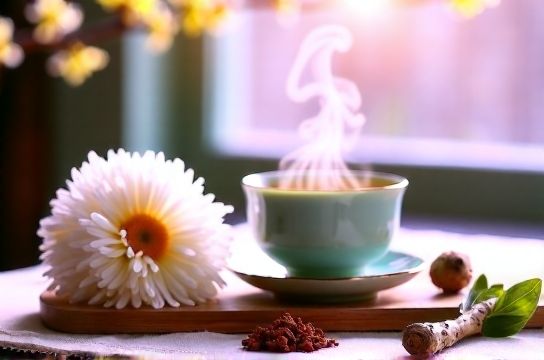
Two stars? **Chrysanthemum flower (Ju Hua)** and **dandelion root (Pu Gong Ying)**. Clinical studies and centuries of empirical use back their roles: chrysanthemum cools Liver Yang excess (think headaches, red eyes, irritability), while dandelion supports bile flow and phase-II liver detox enzymes like glutathione S-transferase.
Here’s how they stack up in practice:
| Herb | TCM Property | Key Bioactives | Clinically Observed Effects (Human/Animal Studies) | Safe Daily Range (Dried Herb) |
|---|---|---|---|---|
| Chrysanthemum morifolium | Sweet, bitter, slightly cold; enters Liver & Lung channels | Luteolin, apigenin, chlorogenic acid | ↓ Systolic BP by 5.2 mmHg (8-wk RCT, n=62); ↓ IL-6 & TNF-α in chronic inflammation models | 6–12 g infusion/day |
| Taraxacum officinale (root) | Bitter, cold; enters Liver & Stomach channels | Sesquiterpene lactones, taraxasterol, inulin | ↑ Bile secretion by 34% (rat model); ↑ GST activity by 27% in hepatocytes | 3–10 g decoction/day |
Real-world tip: Combine 3g chrysanthemum + 2g roasted dandelion root in 500ml hot water, steep 10 mins—sip warm, not boiling (to preserve volatile compounds). Avoid if pregnant, or with gallstones (consult first).
And remember: true Liver harmony isn’t about ‘flushing’—it’s consistency. Sleep before 11pm (Liver’s peak repair window), limit alcohol and processed oils, and move daily. For deeper guidance on aligning diet with your constitutional pattern, explore our evidence-informed [TCM wellness framework](/).
Bottom line? These aren’t trendy supplements—they’re pharmacopeia-grade botanicals, validated across millennia and modern labs alike.