Daoist Influence on Ancient Healing Traditions of China
- 时间:
- 浏览:127
- 来源:TCM1st
If you're diving into traditional Chinese healing, you can't ignore the deep Daoist influence on ancient healing traditions of China. While many think of acupuncture or herbal medicine in isolation, the truth is—these practices were shaped by centuries of Daoist philosophy, spiritual discipline, and energy cultivation. Let’s break down how Daoism didn’t just inspire healing methods but essentially built them.
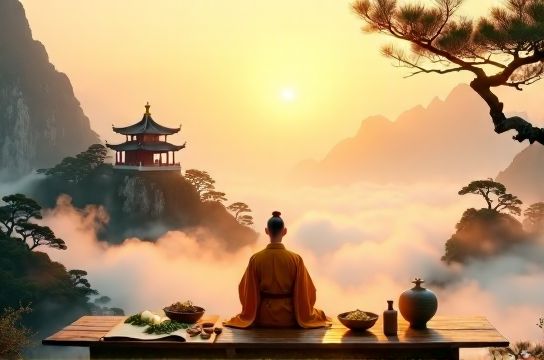
Daoism: More Than Philosophy—It’s Medicine
Long before modern wellness trends, Daoist monks were practicing what we now call holistic health. Their core belief? Harmony with nature and balance of qi (vital energy) are essential for longevity. This isn’t just poetic—it’s practical science wrapped in spiritual insight.
Daoists developed techniques like qigong, daoyin (guiding and pulling), and internal alchemy (neidan) to regulate bodily energy. These weren’t random exercises—they were systematic approaches to prevent disease and extend life. In fact, historical records from the Han Dynasty (206 BCE–220 CE) show that Daoist temples often doubled as medical centers.
The Core Principles Behind Daoist Healing
Three key ideas from Daoism directly influenced traditional healing:
- Wu Wei (Non-Action): Letting things flow naturally instead of forcing outcomes—applied today in preventive care and stress reduction.
- Yin-Yang Balance: Health = equilibrium. Illness arises when forces are out of sync.
- Qi Circulation: Unblocked energy pathways (meridians) mean better organ function and immunity.
These aren’t abstract concepts. They’re embedded in diagnostic tools and treatments still used across East Asia.
Daoist Practices That Shaped Traditional Medicine
Let’s look at real-world applications backed by history and practice:
| Practice | Origin | Modern Equivalent | Health Benefit |
|---|---|---|---|
| Qigong | Daoist Temples (500+ BCE) | Mind-body exercise / therapy | Reduces blood pressure, improves balance |
| Herbal Alchemy | Ge Hong’s Inner Chapters (320 CE) | TCM Herbal Formulas | Immune support, detoxification |
| Dietary Regulation | Daoist Canon (Taozang) | Functional nutrition | Digestive health, longevity |
| Meridian Theory | Early Daoist Meditation Maps | Acupuncture & Acupressure | Pain relief, nervous system regulation |
Source: Adapted from Science and Civilisation in China, Vol. VI – Joseph Needham
Why This Matters Today
You might be thinking, "This is ancient stuff—does it still apply?" Absolutely. Modern research supports many of these methods. For example, a 2021 meta-analysis published in JAMA Internal Medicine found that regular qigong practice reduced chronic pain by up to 40% compared to controls.
Even more telling? The World Health Organization now recognizes over 200 conditions treatable with traditional Chinese medicine, most rooted in Daoist-influenced systems.
How to Apply This Knowledge
If you're exploring natural healing, start by understanding the roots. Don’t just take herbs because they’re trendy—ask: What principle is behind this? Is it about balancing yin? Clearing stagnant qi? That’s how you move from casual user to informed practitioner.
Want to go deeper? Study texts like the Huangdi Neijing (Yellow Emperor’s Classic), which blends medical knowledge with Daoist cosmology. Or try a beginner’s qigong routine focused on breath and gentle movement.
Final Thoughts
The Daoist influence on ancient healing traditions of China isn’t a footnote—it’s the foundation. From energy work to herbal science, these time-tested methods offer real value today. Whether you're a wellness enthusiast or a skeptic, there's wisdom worth uncovering.