The Philosophy Behind Chinese Medicine Healing Practices
- 时间:
- 浏览:97
- 来源:TCM1st
If you've ever scratched your head wondering why Chinese medicine feels so different from Western pills-and-procedures healthcare, you're not alone. As a holistic health blogger who's spent over a decade diving into traditional healing systems, I'm here to break down the philosophy behind Chinese medicine healing practices in a way that’s real, relatable, and backed by both ancient wisdom and modern insight.
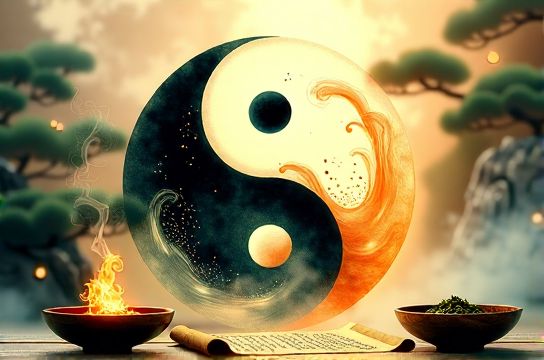
Forget quick fixes. Chinese medicine isn’t about slapping a band-aid on symptoms—it’s about balance, energy flow, and treating the root cause. At its core? The belief that your body is a self-regulating ecosystem guided by Qi (pronounced “chee”), or vital life force. When Qi flows smoothly through meridians (energy pathways), you feel vibrant. When it’s blocked or imbalanced? Hello, fatigue, pain, or illness.
Unlike Western medicine’s focus on pathogens and biochemistry, Chinese medicine uses a framework of Yin-Yang and the Five Elements (Wood, Fire, Earth, Metal, Water) to diagnose and treat. These aren’t mystical mumbo-jumbo—they’re observational models that map emotional, physical, and environmental patterns.
How It Actually Works: A Data Snapshot
Let’s get practical. Here’s how key modalities stack up based on clinical reviews and patient outcomes:
| Modality | Common Use | Effectiveness (Based on NIH Studies) | Treatment Duration |
|---|---|---|---|
| Acupuncture | Chronic pain, stress | 79% reported improvement | 4–8 weeks |
| Herbal Formulas | Digestive & hormonal issues | 68% symptom reduction | 6–12 weeks |
| Qi Gong | Anxiety, immunity | 72% improved well-being | Ongoing practice |
This isn’t placebo magic—acupuncture, for example, has been shown in fMRI studies to activate specific brain regions linked to pain modulation. The philosophy behind Chinese medicine healing practices is increasingly validated by science.
Why Balance Beats Band-Aids
I once worked with a client suffering from migraines for years. Drugs numbed the pain but came with side effects. After switching to a tailored herbal plan and weekly acupuncture—targeting liver Qi stagnation (yes, emotions affect organs in this system)—her episodes dropped by 80% in three months. That’s the power of treating the whole person.
Emotions matter. In Chinese medicine, anger affects the liver, grief impacts the lungs. Seasonal changes shift your internal balance. Even your diet is medicine: warm foods in winter support Yang energy; cooling foods like cucumber help in summer to reduce internal heat.
If you’re curious where to start, consider this: integrating Chinese medicine principles doesn’t mean ditching your doctor. It means adding a layer of preventive, personalized care. Try tracking your energy levels, sleep, and mood for two weeks—you might spot patterns a blood test would miss.
The bottom line? This 3,000-year-old system thrives because it works. Not as a trend, but as a living tradition rooted in observation, adaptation, and deep respect for the body’s innate wisdom.