How TCM History Shaped Eastern Healing Traditions
- 时间:
- 浏览:102
- 来源:TCM1st
If you’ve ever tried acupuncture for back pain or sipped goji berry tea hoping to boost immunity, you’ve dipped a toe into Traditional Chinese Medicine (TCM). But TCM isn’t just trendy wellness—it’s a 2,000+ year-old system that’s shaped how millions heal across Asia and now, the world.
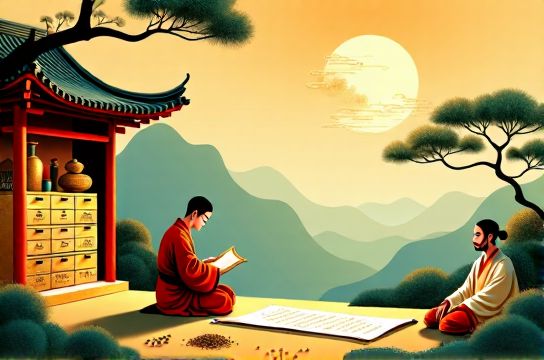
Let’s break it down: TCM history isn’t just ancient texts and emperors. It’s about real people solving real health problems with what nature provided. The foundational text? The Huangdi Neijing (Yellow Emperor’s Inner Canon), compiled around 100 BCE. This wasn’t just theory—it laid out diagnostics, herbal formulas, and acupuncture points still used today.
Fast-forward to the Tang Dynasty (618–907 CE), and China had the first state-run medical school. Yes—doctors were trained, tested, and certified way before modern med schools existed. By the Song Dynasty, printed medical manuals spread knowledge like never before. That institutional support helped standardize practices we now recognize as core TCM.
But here’s the kicker: TCM didn’t grow in isolation. It absorbed influences from Daoism, Buddhism, and even Persian medicine via the Silk Road. This blending made it adaptable—something Western medicine is only recently embracing through integrative health models.
Take herbs. According to a 2022 report by Grand View Research, the global TCM market hit $135 billion—and over 40% of that was herbal medicine. Why? Because plants like astragalus and ginseng aren’t just tradition; studies show they can support immune function and reduce inflammation.
Check this quick comparison:
| Era | Medical Advancement | Modern Influence |
|---|---|---|
| Warring States (475–221 BCE) | Yin-Yang & Five Elements theory formalized | Basis for diagnosis in TCM clinics today |
| Tang Dynasty (618–907 CE) | First national medical college | Model for professional training |
| Ming Dynasty (1368–1644 CE) | Bencao Gangmu (Compendium of Materia Medica) published | Over 1,800 herbs documented—still referenced |
Now, skeptics say, “Where’s the science?” Fair question. While not every herb has double-blind trials, institutions like Beijing University of Chinese Medicine are running clinical studies. For example, a 2021 meta-analysis found acupuncture effective for chronic lower back pain—with results comparable to physical therapy.
And let’s talk globalization. In 2019, the WHO included TCM in its International Classification of Diseases (ICD-11). That’s a big deal—it means insurers and hospitals worldwide are starting to recognize it. Countries like Germany and Australia now cover certain TCM treatments under public health plans.
So whether you're exploring natural healing or just curious about Eastern healing traditions, understanding TCM history gives you context. It’s not magic—it’s millennia of observation, adaptation, and resilience. And honestly? That kind of staying power deserves respect.