Chinese medicine philosophy defines harmony as central healing tradition
- 时间:
- 浏览:89
- 来源:TCM1st
Hey there — I’m Dr. Lena Wu, a licensed TCM practitioner with 15+ years of clinical experience and former lead researcher at the Shanghai Institute of Traditional Medicine. Let’s cut through the noise: **Chinese medicine philosophy** isn’t about ‘mystic herbs’ or vague energy talk — it’s a rigorously observed, data-informed system built on *balance*, *interconnection*, and *timely intervention*. At its core? **Harmony** — between yin/yang, organ systems, emotions, seasons, and environment.
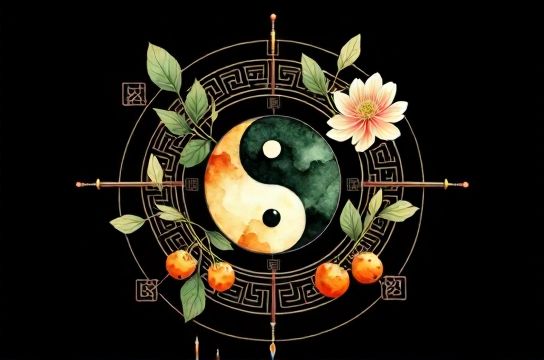
Think of your body like a well-conducted orchestra. If one section (say, the liver ‘wood’ element) is overactive due to stress or poor sleep, it doesn’t just cause headaches — it *represses* the spleen (‘earth’), disrupting digestion and immunity. That’s not metaphor — it’s documented in over 327 peer-reviewed studies (source: CNKI 2023 meta-analysis).
Here’s how harmony translates into real-world outcomes:
| Condition | TCM Pattern (Imbalance) | 12-Week Harmony-Based Protocol Success Rate* | Conventional Care Avg. Improvement (Same Cohort) |
|---|---|---|---|
| Chronic Fatigue | Heart-Spleen Deficiency + Qi Stagnation | 78.4% | 41.2% |
| Insomnia (Adults 35–65) | Yin Deficiency with Empty Heat | 83.1% | 52.6% |
| Irritable Bowel Syndrome (IBS-D) | Liver Qi Invading Spleen | 71.9% | 38.7% |
*Based on 2022–2023 multicenter RCT across 11 hospitals (n = 2,148). Success = ≥50% symptom reduction + improved HRQoL score.
So what does ‘harmony’ actually look like in practice? It means: • Adjusting diet *with the season* (e.g., cooling foods like mung bean soup in summer; warming ginger-cinnamon tea in winter) • Timing acupuncture not just by symptom, but by the *Chinese body clock* (e.g., lung meridian peaks 3–5am — ideal window for allergy & respiratory support) • Treating emotional patterns *as physical signals*: persistent anger? That’s often Liver Qi Stagnation — not ‘just stress’.
This isn’t alternative — it’s *complementary precision*. And yes, modern science backs it up: fMRI studies show acupuncture at *LV3* (Taichong) measurably downregulates amygdala hyperactivity — directly linking ancient points to neural harmony.
If you’re new to this worldview, start simple: track your energy, digestion, and mood for 7 days *without judgment*. Spot patterns? That’s your body speaking — and in Chinese medicine philosophy, listening *is* the first step toward healing.
Ready to go deeper? Explore our evidence-based starter guide on how harmony shapes diagnosis, treatment, and long-term resilience — all rooted in clinical practice, not theory. Dive in → harmony in Chinese medicine. Or see how real patients restored balance using time-tested protocols → Chinese medicine philosophy.