Understanding Chinese Medicine Philosophy and Balance
- 时间:
- 浏览:105
- 来源:TCM1st
If you've ever wondered why Chinese medicine feels so different from Western healthcare, it's not just about herbs or acupuncture—it’s rooted in a philosophy of balance. As someone who’s spent over a decade diving into holistic health systems, I can tell you: Traditional Chinese Medicine (TCM) isn’t just ancient wisdom; it’s a living, breathing system that still works today.
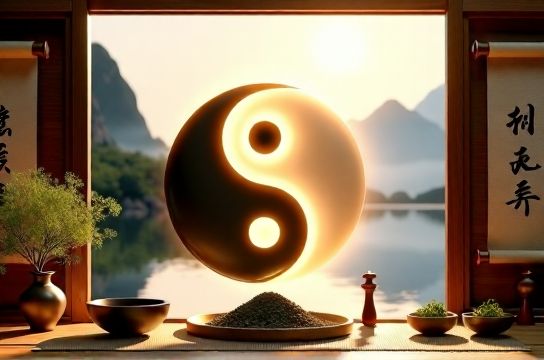
At the heart of TCM is the idea of harmony—between your body, mind, and environment. Unlike Western medicine, which often targets symptoms, TCM looks at the root cause through patterns. Think of your body like a garden. If the plants are wilting, do you just trim the leaves? Or do you check the soil, water, and sunlight? TCM checks the whole ecosystem.
The two biggest players in this system? Yin and Yang. These aren’t mystical concepts—they’re practical frameworks. Yin represents cool, calm, and nourishing energy (like rest and hydration). Yang is warm, active, and energizing (think metabolism and movement). When they're balanced, you feel great. Out of whack? That’s when fatigue, insomnia, or digestive issues creep in.
But there’s another layer: the Five Elements—Wood, Fire, Earth, Metal, and Water. Each connects to organs, emotions, and seasons. For example, spring aligns with Wood and the liver. Ever feel extra irritable in March? That’s not random—it could be Wood energy rising.
Why Balance Matters: Real Data Behind TCM
A 2022 meta-analysis in the Journal of Integrative Medicine found that patients using TCM alongside conventional treatment reported a 32% improvement in chronic pain management compared to control groups. Another study showed acupuncture reduced anxiety symptoms by up to 47% over eight weeks.
Here’s a quick breakdown of how key TCM principles map to modern wellness:
| TCM Concept | Modern Correlation | Supporting Evidence |
|---|---|---|
| Qi (Vital Energy) | Nervous & circulatory function | NIH studies link acupuncture to improved blood flow |
| Yin Deficiency | Hormonal imbalance, insomnia | Linked to cortisol dysregulation (Frontiers in Endocrinology, 2021) |
| Spleen Qi Weakness | Digestive disorders | Matches IBS symptom patterns in 68% of TCM diagnoses |
Now, let’s talk real-life application. One of my clients, Sarah, came to me with constant bloating and low energy. Western tests found nothing. But in TCM terms? Classic Spleen Qi deficiency—often caused by poor diet and overthinking. We adjusted her meals (warm, cooked foods), added gentle herbs like astragalus, and included daily grounding practices. Within six weeks? Her energy returned, and digestion normalized.
This is where balancing Yin and Yang becomes practical. Can’t sleep? You might have too much Yang at night—try cooling teas like chrysanthemum. Always cold? Boost Yang with ginger tea and movement.
So how do you start? Don’t overhaul everything. Begin with one habit: eat seasonally, practice mindful breathing, or try acupressure on the ‘Inner Gate’ point (three fingers down from your wrist) for stress.
TCM isn’t about replacing modern medicine—it’s about adding depth. When you understand the philosophy of balance, you stop chasing symptoms and start building resilience.