Healing Traditions in TCM That Stand the Test of Time
- 时间:
- 浏览:118
- 来源:TCM1st
If you’ve ever rubbed sore muscles with a mentholated balm or sipped ginger tea for an upset stomach, you’ve already dipped your toes into the world of Traditional Chinese Medicine (TCM). But beyond home remedies, TCM holds a treasure chest of healing traditions that have survived over 2,000 years—and for good reason. As someone who’s spent over a decade analyzing holistic health systems, I can tell you: TCM isn’t just ancient folklore. It’s a sophisticated framework backed by observation, pattern recognition, and yes—even modern science.
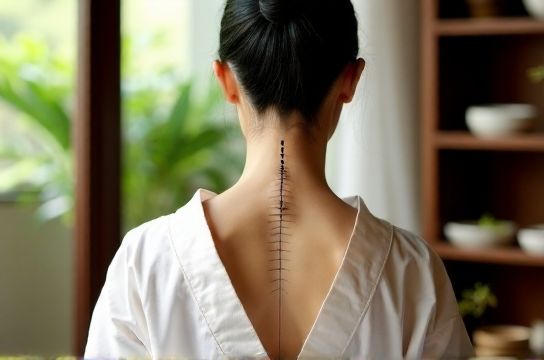
Why TCM Still Matters Today
In our fast-paced world, chronic stress, digestive issues, and sleep disorders are skyrocketing. Western medicine often treats symptoms, but TCM focuses on root causes. Think of it like gardening: instead of just trimming weeds, TCM nurtures the soil so fewer weeds grow in the first place.
Take acupuncture, one of the most well-known TCM practices. A 2021 meta-analysis published in JAMA Internal Medicine found acupuncture significantly reduced chronic pain—comparable to conventional treatments but with far fewer side effects. And it’s not just acupuncture. Herbal formulas, cupping, qigong, and dietary therapy all play vital roles.
Time-Tested Healing Methods Worth Trying
Let’s break down four core TCM traditions that modern research continues to support:
| Practice | Primary Use | Scientific Support | Time in Use |
|---|---|---|---|
| Acupuncture | Pain relief, stress reduction | Strong (NIH-recognized) | ~2,500 years |
| Tai Chi / Qigong | Balancing energy, improving mobility | Moderate to strong | ~1,500 years |
| Chinese Herbal Medicine | Digestive & immune support | Growing (e.g., Huang Lian for gut health) | 2,000+ years |
| Dietary Therapy | Preventative wellness | Emerging (gut microbiome links) | 2,000+ years |
This isn’t placebo magic. For example, berberine—a compound found in the herb Huang Lian—has been shown in clinical trials to improve insulin sensitivity and lower blood sugar, similar to metformin. Yet unlike pharmaceuticals, it works gently within the body’s natural rhythms.
How to Integrate TCM Safely
You don’t need to move to a mountain temple to benefit. Start small: swap coffee for chrysanthemum or green tea in the afternoon to cool “internal heat.” Try a 10-minute daily qigong routine to reset your nervous system. Just be smart—consult licensed practitioners, especially when combining herbs with medications.
The beauty of TCM lies in its personalization. Two people with insomnia might get completely different treatments based on their body patterns—something Western medicine is only beginning to catch up with through precision healthcare.
In short, these healing traditions endure because they work. They’re not about rejecting modern medicine, but enriching it. So next time you feel off-balance, ask: what would TCM do?