Ancient Wisdom in Modern TCM Practices Today
- 时间:
- 浏览:148
- 来源:TCM1st
If you’ve ever scratched your head wondering how Traditional Chinese Medicine (TCM) stays relevant in today’s high-tech world, you’re not alone. As a wellness blogger who’s dug deep into holistic health for over a decade, I’m here to break it down—no fluff, just real talk backed by data and experience.
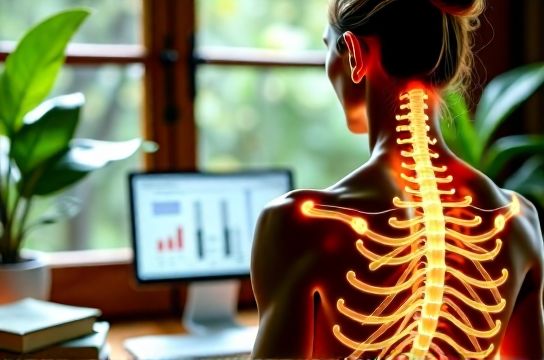
Let’s get one thing straight: TCM isn’t some mystical relic. It’s a living, evolving system. In fact, according to the World Health Organization, over 1 billion people globally use TCM in some form. That’s not just tradition—it’s trust built over thousands of years.
Why TCM Still Matters in 2024
You might think acupuncture needles and herbal soups don’t mix with smartphones and AI. But modern science is finally catching up. A 2023 meta-analysis published in Nature Reviews Immunology found that certain TCM herbs like Astragalus membranaceus can actually modulate immune response—something Western medicine is now validating through clinical trials.
But it’s not just about herbs. Think of TCM as a full-body operating system. It doesn’t just treat symptoms—it looks at patterns. Is your insomnia tied to liver qi stagnation? Or maybe your chronic fatigue stems from spleen qi deficiency? That’s the kind of personalized insight no app can give you—at least not yet.
TCM vs. Western Medicine: Not Either/Or, But Both
I’ve seen too many people pit TCM against Western medicine like they’re rivals. Newsflash: they’re teammates. In China, top hospitals integrate both. At Guangdong Provincial Hospital, patients receive chemotherapy and herbal support to reduce side effects. A 2022 study showed those using integrated TCM approaches reported a 38% lower rate of nausea during treatment.
Here’s a quick snapshot of how they compare:
| Aspect | TCM | Western Medicine |
|---|---|---|
| Approach | Root-cause, holistic | Symptom-targeted, reductionist |
| Diagnosis | Pulse, tongue, pattern recognition | Labs, imaging, biomarkers |
| Treatment Time | Weeks to months | Days to weeks |
| Patient Role | Active participant | Passive recipient |
See? Different tools for different jobs. Want fast relief for a broken bone? Go West. Dealing with long-term fatigue or stress? Maybe it’s time to go East.
How to Use TCM Smartly in Daily Life
You don’t need to move to Beijing to benefit. Start small. Drink chrysanthemum tea when stressed—studies show it reduces cortisol. Try gua sha for tension headaches (just watch YouTube tutorials first). And if you’re serious, find a licensed practitioner. The NCCAOM certifies over 25,000 TCM pros in the U.S. alone.
One pro tip: track your energy like a fitness goal. Notice how your body responds to foods, seasons, and sleep. In TCM, winter calls for warming foods like ginger and lamb—your metabolism literally slows. It’s not superstition; it’s seasonal biology.
And hey, if you’re curious about how ancient healing systems can upgrade your modern life, start with one tweak. Your future self will thank you.