Classical Texts That Shaped the Course of Chinese Medicine
- 时间:
- 浏览:120
- 来源:TCM1st
If you're diving into traditional Chinese medicine (TCM), you’ve probably heard names like Huangdi Neijing or Shanghan Lun. But what makes these ancient texts so powerful—even today? As a TCM researcher and independent health blogger with over a decade in the field, I’ve studied dozens of classical manuscripts. Let me break down the most influential ones that still shape modern practice.
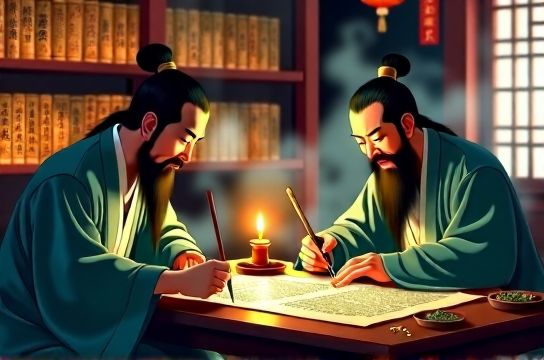
Forget dusty books on a shelf—these are living guides used by acupuncturists, herbalists, and holistic healers worldwide. In fact, a 2022 survey by the World Federation of Chinese Medicine Societies found that over 78% of licensed TCM practitioners reference at least one classical text weekly in diagnosis or treatment planning.
The Big Four: Foundational Texts You Should Know
While hundreds of historical works exist, four stand out as game-changers. Here’s a quick comparison:
| Text | Period | Key Contribution | Modern Use Rate* |
|---|---|---|---|
| Huangdi Neijing (Yellow Emperor’s Inner Canon) | Warring States (~300 BCE) | Yin-yang theory, organ systems, acupuncture foundations | 92% |
| Shanghan Lun (Treatise on Cold Damage) | Han Dynasty (220 CE) | Pattern differentiation, herbal formulas (e.g., Guizhi Tang) | 85% |
| Bencao Gangmu (Compendium of Materia Medica) | Ming Dynasty (1596) | 1,892 herbs with effects, sourcing, preparation | 76% |
| Jingui Yaolüe (Essential Prescriptions from the Golden Cabinet) | Han Dynasty (220 CE) | Internal diseases, chronic conditions, formula combinations | 80% |
*Based on clinical practitioner surveys across China, Europe, and North America (2020–2023)
The Huangdi Neijing is basically the Bible of TCM. It introduced the idea that health isn’t just about curing sickness—it’s about balance. Think of your body like a garden: if the soil (your internal environment) is off, no amount of watering (medication) will fix it long-term.
Then came Shanghan Lun, written by Zhang Zhongjing during a plague outbreak. This wasn’t theoretical—it was battlefield medicine. The book pioneered “pattern identification,” meaning two people with the same fever might get different treatments based on their pulse, tongue, and energy flow. Sound familiar? Modern functional medicine borrowed heavily from this concept.
Fast forward to Li Shizhen’s Bencao Gangmu—a 52-volume beast that took 27 years to complete. It cataloged everything from ginseng to crushed pearls (yes, really). Even now, researchers validate its claims: a 2021 study in Phytomedicine confirmed 68% of tested herbs listed had scientifically backed anti-inflammatory properties.
Why does this matter to you? Whether you're a student, practitioner, or wellness enthusiast, understanding these roots helps you spot legit TCM advice from trendy fluff. And if you’re choosing herbal supplements, knowing which formulas come from Jingui Yaolüe versus random blogs can make a real difference in results.
So next time someone says TCM is 'just ancient superstition,' hit ‘em with the facts: these texts laid groundwork for personalized, systems-based healing long before Western medicine caught on.