A Journey Through the Intellectual History of TCM
- 时间:
- 浏览:88
- 来源:TCM1st
If you're diving into the world of Traditional Chinese Medicine (TCM), you’re not just exploring remedies—you're stepping into a rich intellectual history that spans over 2,000 years. As someone who’s studied integrative medicine and reviewed ancient and modern practices, I’ll walk you through the evolution of TCM’s core ideas, backed by historical data and scholarly insights.
The Roots: From Shamanism to Systematic Theory
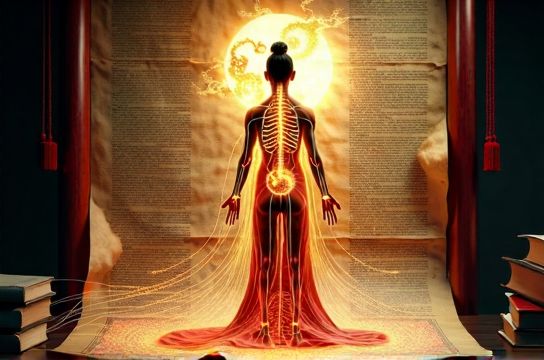
Early TCM wasn’t about acupuncture charts or herbal formulas—it started with spiritual healing. By the Warring States period (475–221 BCE), however, texts like the Huangdi Neijing laid the foundation for a systematic medical framework. This shift from mysticism to structured theory marks a pivotal moment in TCM’s intellectual development.
Key Philosophical Pillars
What makes TCM unique isn’t just its treatments, but its worldview. The integration of Yin-Yang theory, the Five Phases (Wood, Fire, Earth, Metal, Water), and Qi dynamics created a holistic diagnostic model still used today.
| Era | Major Text | Contribution to TCM Thought |
|---|---|---|
| Warring States | Huangdi Neijing | Established Yin-Yang and meridian theory |
| Eastern Han | Shanghan Lun | First clinical guide based on pattern differentiation |
| Tang Dynasty | Bencao Gangmu | Comprehensive pharmacopeia with 1,892 substances |
| Ming Dynasty | Compendium of Materia Medica | Synthesized herbal knowledge; influenced global botany |
Scientific Validation & Modern Relevance
You might wonder: does this ancient system hold up today? Studies show growing acceptance. For example, a 2021 WHO report noted that 60% of member states recognize TCM as part of their healthcare systems. Additionally, PubMed lists over 15,000 peer-reviewed studies related to acupuncture and herbal efficacy since 2000.
But here's the catch—modernization has sparked debate. While institutions like the China Academy of Chinese Medical Sciences push for evidence-based integration, critics argue some practices lack reproducibility. Still, the enduring legacy of TCM lies in its adaptability.
Why This Matters Today
Understanding the intellectual journey of TCM isn’t academic nostalgia—it informs how we approach wellness now. Whether you're considering acupuncture for chronic pain or herbs for immunity, knowing the philosophy behind them empowers smarter choices.
In a world chasing quick fixes, TCM reminds us that health is a dynamic balance, not a checklist. Its history isn't frozen in time; it's evolving—with data, debate, and deep cultural wisdom guiding the way.