Dietary Therapy Rooted in Chinese Medical Philosophical Ideas
- 时间:
- 浏览:118
- 来源:TCM1st
If you've ever wondered why some people swear by eating warm meals all year round—even in summer—while others avoid raw salads like the plague, there's a good chance they're following principles from Traditional Chinese Medicine (TCM). This ancient system doesn’t just treat symptoms; it looks at food as medicine, deeply tied to balance, energy flow (Qi), and harmony between body and nature.
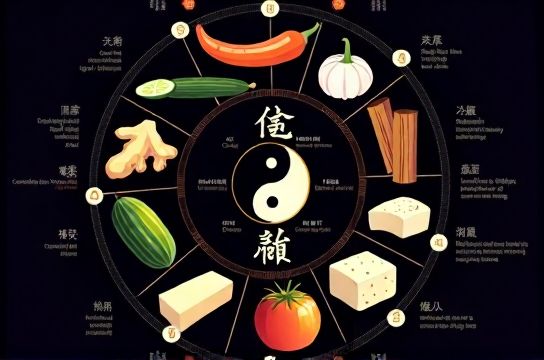
Unlike Western diet trends that focus on calories or macros, TCM dietary therapy emphasizes how food feels and acts inside your body. Is it cooling? Warming? Damp-producing? These qualities matter more than protein count. For example, someone with chronic fatigue and cold hands might be diagnosed with “Spleen Qi Deficiency” and advised to eat more cooked root vegetables and less icy drinks.
Let’s break down the core ideas using real-life applications and data from clinical observations:
The Energetics of Food in TCM
In TCM, every food has a thermal nature: hot, warm, neutral, cool, or cold. Choosing the right one helps correct internal imbalances. Here’s a quick reference table:
| Thermal Nature | Foods | Common Uses |
|---|---|---|
| Warm/Hot | Ginger, cinnamon, lamb, garlic | Boost metabolism, treat cold limbs, improve digestion |
| Neutral | Rice, carrots, soybeans, chicken | Balanced energy, suitable for most people |
| Cool/Cold | Cucumber, watermelon, tofu, banana | Reduce heat, inflammation, acne, or menopausal flushes |
This isn’t just folklore. A 2021 observational study in Shanghai found that patients with digestive issues who followed warming-food protocols reported a 68% improvement in symptoms within six weeks—compared to 42% in the control group eating standard healthy diets.
Another key concept is dampness, often linked to bloating, sluggishness, and brain fog. In TCM, too many raw, greasy, or sweet foods create “damp” conditions. That’s why practitioners often tell patients to cut back on dairy, sugar, and smoothies—even if they’re “healthy”—if they have a damp pattern.
One of my clients, Lisa, came to me after years of low energy and IBS. She ate salads daily, thinking she was being healthy. But according to TCM, her constant raw intake was weakening her Spleen Qi. We shifted her diet to warm, cooked meals—think congee, steamed veggies, herbal soups—and within two months, her energy returned and digestion stabilized. No fancy supplements—just aligned food energetics.
So how do you apply this without getting overwhelmed? Start simple:
- Swap cold breakfasts: Replace smoothies with rice porridge or oatmeal cooked with ginger.
- Cook your veggies: Steaming or sautéing makes them easier to digest.
- Season wisely: Use warming spices like turmeric, black pepper, and fennel.
Remember, TCM isn’t about rigid rules—it’s personalized. What works for one may harm another. But when used wisely, this 3,000-year-old wisdom offers powerful tools for modern wellness.