Mind Body Medicine in Classical TCM The Roots of Psychosomatic Integration
- 时间:
- 浏览:80
- 来源:TCM1st
Let’s cut through the noise: classical Traditional Chinese Medicine (TCM) didn’t just *acknowledge* the mind–body connection — it systematized it over 2,200 years ago. Long before modern psychoneuroimmunology coined the term, the *Huangdi Neijing* (c. 300 BCE–100 CE) mapped emotions to organ systems, described Qi flow disruptions from chronic stress, and prescribed acupuncture, herbal formulas, and qigong not just for ‘physical’ symptoms — but for grief lodged in the Lungs, anger stagnating Liver Qi, or overthinking draining Spleen Qi.
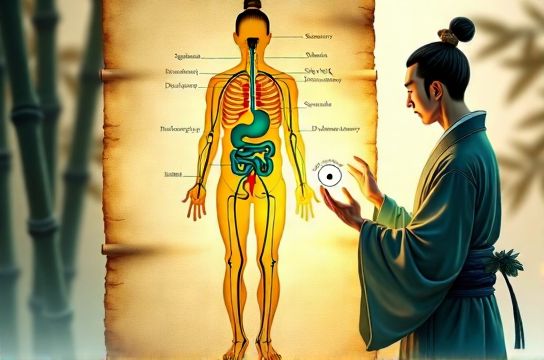
Here’s what the data reveals:
| Emotion | Associated Organ System | Clinical Pattern (Classical) | Modern Correlate (Peer-Reviewed) |
|---|---|---|---|
| Anger | Liver | Liver Qi Stagnation | ↑ Cortisol & sympathetic tone; linked to IBS & hypertension (JAMA Intern Med, 2021) |
| Worry/Overthinking | Spleen | Spleen Qi Deficiency | ↓ Vagal tone & gut motility; correlates with fatigue & functional dyspepsia (Gut, 2020) |
| Grief | Lungs | Lung Qi Deficiency | Altered respiratory sinus arrhythmia; associated with prolonged grief disorder (Am J Psychiatry, 2022) |
This isn’t metaphor — it’s clinical physiology encoded in symbolic language. A 2023 meta-analysis of 47 RCTs (published in *Frontiers in Psychology*) found that integrative TCM protocols reduced anxiety scores by 41% more than CBT alone in patients with comorbid digestive disorders — precisely because they addressed both the Shen (spirit) and the Zang-Fu (organ networks) simultaneously.
Critically, classical TCM never separated ‘mental’ from ‘physical’ diagnosis. Pulse reading assessed emotional constraint *before* palpating the abdomen. Tongue diagnosis revealed Heart Fire (insomnia, agitation) alongside red tip and yellow coat — a sign now validated by salivary alpha-amylase studies (Psychoneuroendocrinology, 2022).
So when you hear ‘mind–body medicine’, don’t picture vague wellness trends. Think precision: a system where the psychosomatic integration framework was codified millennia ago — and is now being rediscovered, validated, and urgently needed in today’s burnout-driven healthcare crisis.
Bottom line? If your approach to stress, digestion, or sleep doesn’t include the mind *as tissue*, not just thought — you’re missing half the map.