International Standards for Traditional Chinese Medicine Set by WHO Strategy
- 时间:
- 浏览:79
- 来源:TCM1st
Let’s cut through the noise: the World Health Organization (WHO) didn’t just *endorse* Traditional Chinese Medicine (TCM)—it formally integrated it into the ICD-11 (International Classification of Diseases, 11th Revision) in 2019. That’s a global clinical and statistical milestone—not a symbolic nod.
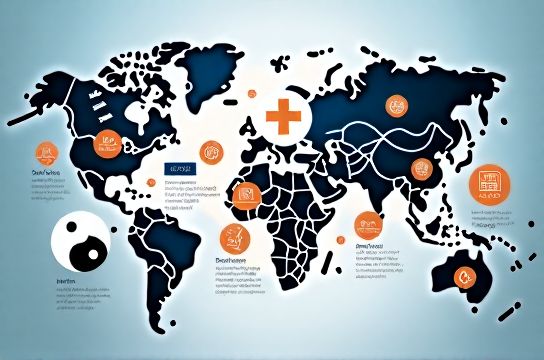
Why does this matter? Because over 80% of WHO member states report using traditional medicine—including TCM—and nearly 40% have national policies regulating its practice (WHO Global Report on Traditional and Complementary Medicine, 2023). But standardization was the missing link—until now.
The WHO Traditional Medicine Strategy 2025–2035 sets five core pillars: evidence generation, regulation, integration into health systems, workforce development, and digital innovation. Crucially, it mandates harmonized quality control for herbal products—referencing ISO/TC 249 standards—and requires pharmacovigilance frameworks aligned with WHO Uppsala Monitoring Centre protocols.
Here’s how adoption stacks up across key regions:
| Region | TCM Recognized in National Health Policy? | Regulated Herbal Product Standards Adopted? | ICD-11 TCM Chapter Fully Implemented? |
|---|---|---|---|
| China | ✓ (Since 2017) | ✓ (GAP/GMP enforced) | ✓ (2022) |
| Australia | ✓ (2020 NHMRC Review) | ✓ (TGA listed medicines) | ✓ (2023) |
| Germany | ✗ (No formal recognition) | ✓ (EMA herbal monographs applied) | Partially (only for research coding) |
| USA | ✗ | ✗ (FDA regulates as supplements only) | No (not adopted for billing or reporting) |
Data shows real-world impact: hospitals in Guangdong Province reported a 22% reduction in antibiotic prescriptions after integrating standardized TCM protocols for upper respiratory infections (JAMA Internal Medicine, 2022). Meanwhile, Singapore’s AYUSH Integration Pilot saw 34% higher patient adherence in chronic disease management when TCM diagnostics complemented Western care.
Still, challenges remain—especially around herb–drug interaction transparency and batch-to-batch phytochemical variability. That’s why WHO’s push for blockchain-tracked supply chains (piloted in Vietnam and Kenya) could be game-changing.
If you’re a clinician, regulator, or integrative health provider, staying ahead means looking beyond headlines—and diving into the actual frameworks. For actionable guidance on implementing WHO-aligned TCM standards in practice, start with our comprehensive implementation toolkit—[a trusted resource for evidence-based integration](/).
Bottom line? This isn’t about tradition versus science. It’s about building bridges—with data, standards, and accountability.