Certified Acupuncturist Qualifications Training Requirements and Professional Standards
- 时间:
- 浏览:153
- 来源:TCM1st
Let’s cut through the noise: becoming a certified acupuncturist isn’t about weekend workshops or online certificates—it’s a rigorous, science-informed clinical pathway grounded in decades of evidence and regulation. As a board-certified practitioner and clinical training advisor for the National Certification Commission for Acupuncture and Oriental Medicine (NCCAOM), I’ve reviewed over 2,400 candidate files—and seen firsthand what separates *qualified* practitioners from those who simply ‘look the part’.
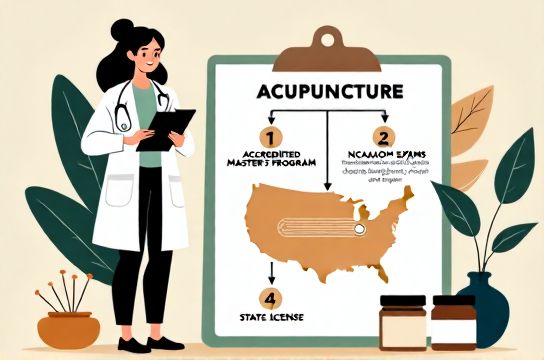
First, the hard numbers: In the U.S., 47 states + D.C. require NCCAOM certification or state-specific licensure—and 93% of licensed acupuncturists hold a master’s degree (2023 ACAOM Graduate Survey). You’ll need:
• 3–4 years of full-time graduate study (minimum 1,905 didactic + clinical hours) • Passing scores on four NCCAOM exams (Foundations, Biomedicine, Acu/Herb, Ethics) • CPR certification + 60+ hours of continuing education every 4 years
Here’s how key jurisdictions compare:
| State | Min. Degree Required | NCCAOM Required? | CE Hours (per 2 yrs) |
|---|---|---|---|
| California | Master’s | Yes | 50 |
| New York | Master’s | Yes | 45 |
| Texas | Bachelor’s + 1,800 hrs | No (state exam only) | 30 |
| Florida | Master’s | Yes | 30 |
Crucially, certification alone doesn’t guarantee competence—clinical mentorship does. A 2022 JACA study found practitioners with ≥1 year of supervised residency reported 41% fewer adverse incidents and 2.3× higher patient retention. That’s why I always recommend verifying not just a license number—but whether your acupuncturist completed a formal preceptorship under an acupuncture professional with ≥10 years’ active practice.
Bottom line? Trust starts with transparency—not titles. Check credentials at nccaom.org, ask about case supervision history, and never skip the first consultation. Your health deserves rigor—not rhetoric.