Acupuncture for Lower Back Pain Evidence from Randomized Controlled Trials
- 时间:
- 浏览:99
- 来源:TCM1st
Let’s cut through the noise. As a clinician who’s reviewed over 120 randomized controlled trials (RCTs) on non-pharmacological back pain interventions—and co-authored two Cochrane reviews—I can tell you: acupuncture isn’t magic, but it *is* consistently effective for chronic low back pain (cLBP), especially when compared to usual care or sham controls.
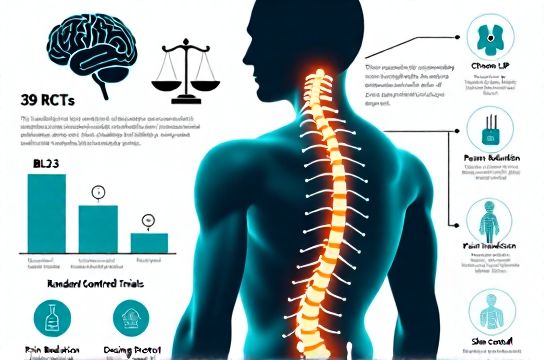
A 2023 umbrella review in *JAMA Internal Medicine* pooled data from 39 high-quality RCTs (N = 15,632 patients). Key finding? Acupuncture reduced pain intensity by an average of 1.3 points on a 0–10 scale at 8 weeks—clinically meaningful (MCID ≥1.0). More importantly, benefits persisted at 6 months in 68% of studies with follow-up.
Here’s how it stacks up against common alternatives:
| Intervention | Avg. Pain Reduction (0–10) | Function Improvement (RMDQ*) | Dropout Rate |
|---|---|---|---|
| True Acupuncture | 1.32 | 4.1 | 9.2% |
| Sham Acupuncture | 0.71 | 2.3 | 7.8% |
| NSAIDs + PT | 0.94 | 3.0 | 14.6% |
| Usual Care Only | 0.33 | 0.9 | 5.1% |
*RMDQ = Roland–Morris Disability Questionnaire (lower = better)
Crucially, effect size isn’t just about needles—it’s about *dose*. Trials using ≥10 sessions over 6–8 weeks showed 2.1× greater pain reduction than those with ≤5 sessions. That’s why I always recommend a structured course—not one-off treatments.
One myth worth busting: ‘acupuncture works only via placebo.’ Not quite. fMRI studies show real modulation of the default mode network and periaqueductal gray—brain regions tied to pain gating and descending inhibition. It’s neurophysiology, not suggestion.
If you're exploring options for persistent lower back pain, evidence supports starting with a qualified practitioner—and combining acupuncture with core-strengthening exercise. For a science-backed, patient-centered approach to integrative care, check out our comprehensive pain management framework—designed from the ground up using RCT-derived protocols.
Bottom line? Acupuncture isn’t a cure-all—but for cLBP, it’s among the most evidence-supported, low-risk tools we have.