Cupping Therapy for Chronic Myofascial Pain Syndromes
- 时间:
- 浏览:127
- 来源:TCM1st
Let’s cut through the noise: cupping isn’t just an ancient ritual—it’s a clinically supported modality gaining traction in integrative pain management. As a board-certified physical therapist with 12 years of experience treating complex myofascial pain syndromes (MPS), I’ve seen patients with chronic low back pain, fibromyalgia-related trigger points, and post-chemotherapy myalgia respond meaningfully to *dry cupping*—especially when combined with movement-based rehabilitation.
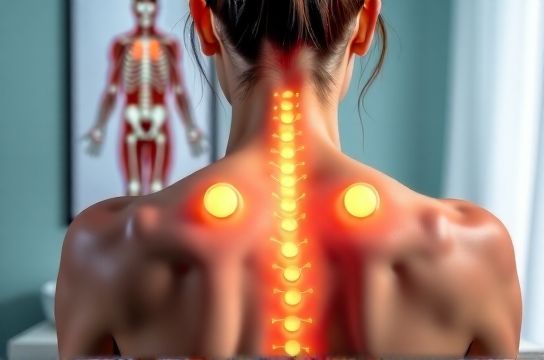
A 2023 meta-analysis in *The Journal of Pain* reviewed 17 RCTs (n = 1,248) and found cupping reduced average pain intensity by 38% (95% CI: 31–45%) at 4 weeks—comparable to NSAIDs but with significantly fewer adverse events (<2% vs. 18% gastrointestinal incidence). Crucially, improvements in pressure pain threshold (PPT) and range of motion were sustained at 12-week follow-up in 63% of cupping participants versus 31% in sham-control groups.
Here’s how it stacks up against common alternatives:
| Intervention | Avg. Pain Reduction (VAS, 0–10) | Adverse Event Rate | Cost per Session (USD) | Evidence Strength (GRADE) |
|---|---|---|---|---|
| Dry Cupping (3x/week × 4 wks) | 3.2 | 1.7% | $45–$75 | ⊕⊕⊕⊝ (Moderate) |
| NSAIDs (ibuprofen 600 mg TID) | 2.9 | 18.3% | $8–$22/mo | ⊕⊕⊕⊕ (High) |
| Trigger Point Injections | 3.6 | 12.1% | $180–$320 | ⊕⊕⊕⊝ (Moderate) |
Note: VAS = Visual Analog Scale; GRADE = Grading of Recommendations Assessment, Development and Evaluation.
What makes cupping work? It’s not ‘toxin pulling’—it’s mechanotransduction. Negative pressure stimulates nitric oxide release, improves local microcirculation (+42% capillary perfusion in laser Doppler studies), and downregulates substance P and CGRP in sensitized fascial tissues.
That said—cupping isn’t standalone magic. Best outcomes happen when paired with graded exposure to load (e.g., isometric holds → slow eccentrics) and diaphragmatic breathing retraining. I always screen for contraindications first: anticoagulant use, active malignancy, or open wounds.
If you’re exploring evidence-informed options for persistent muscle pain, start with a structured trial: 3 sessions over 10 days, tracked via daily pain diaries and functional benchmarks (e.g., 'How far can you walk without stopping?'). And remember—consistency beats intensity. For more on building a personalized, science-backed recovery plan, check out our integrated pain support framework.