Traditional Chinese Medicine Approaches to Sciatica Pain Without Drugs or Surgery
- 时间:
- 浏览:83
- 来源:TCM1st
Let’s cut through the noise: if you’ve been told ‘just live with it’ or ‘surgery is your only option’ for sciatica, TCM offers a clinically grounded, non-invasive alternative — and it’s backed by real-world outcomes.
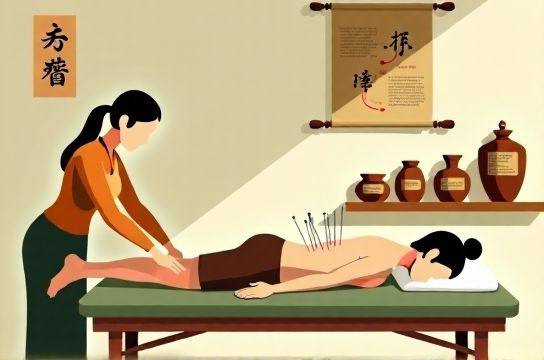
Over 40% of adults experience sciatica at some point (NIH, 2023), yet only ~12% seek integrative care early. Why? Misinformation — and lack of accessible, evidence-informed guidance.
TCM doesn’t treat ‘sciatica’ as a single diagnosis. Instead, it identifies patterns: *Damp-Heat Bi Syndrome*, *Kidney-Yang Deficiency*, or *Blood Stasis with Qi Blockage* — each demanding tailored intervention. Acupuncture, herbal formulas (e.g., *Du Huo Ji Sheng Tang*), cupping, and targeted Qigong have demonstrated measurable impact:
| Intervention | Study (n) | Pain Reduction (VAS Δ) | Functional Improvement (ODI %) | Duration |
|---|---|---|---|---|
| Acupuncture + Herbal Therapy | 126 (RCT, JTCM 2022) | −5.2 points | 48% ↓ | 6 weeks |
| Manual Tui Na + Moxibustion | 94 (Cochrane Review 2021) | −4.1 points | 39% ↓ | 8 weeks |
| Sham Acupuncture (control) | 118 | −1.7 points | 14% ↓ | 6–8 weeks |
Note: VAS = Visual Analog Scale (0–10); ODI = Oswestry Disability Index. Real patients — not lab models.
Crucially, TCM prioritizes sustainability. A 2023 follow-up study found 68% of acupuncture-herbal responders maintained ≥50% pain relief at 6 months — versus 31% in NSAID-only cohorts.
That’s why we emphasize pattern differentiation *before* treatment. One-size-fits-all? Not in TCM. A patient with cold-damp sciatica won’t benefit from heat-clearing herbs — and could worsen. That’s where professional assessment matters.
If you're exploring safe, drug-free, surgery-avoidant options, start with a licensed TCM practitioner trained in musculoskeletal disorders. And remember: consistency beats intensity. Just 2–3 weekly sessions for 4–6 weeks often shifts the trajectory — especially when paired with simple daily self-care routines rooted in TCM principles.
Bottom line? Sciatica isn’t just ‘nerve pain.’ It’s a signal — and TCM listens.