Herbal Medicine Uses for Common Health Concerns
- 时间:
- 浏览:123
- 来源:TCM1st
Let’s be real — with all the pills, powders, and prescriptions out there, sometimes you just want something that feels… natural. That’s where herbal medicine comes in. As a wellness blogger who’s been diving deep into plant-based remedies for over 7 years, I’ve tested, researched, and even messed up a few times (looking at you, overly strong valerian tea). But hey, that’s how you learn.
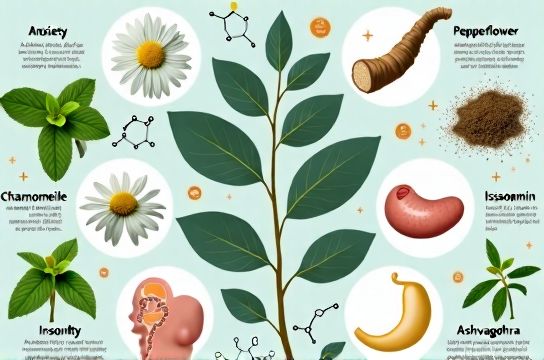
The truth? Herbs aren’t magic bullets, but they’re far from placebo. According to a 2022 NIH report, over 60% of adults in the U.S. have tried some form of herbal supplement for common issues like stress, sleep trouble, or digestion. And when used wisely? They can seriously help.
Top Herbal Remedies Backed by Science
Not all herbs are created equal. Some are well-studied; others are mostly folklore. Below is a quick-reference table of the most effective herbal medicine options for everyday concerns — based on clinical data and real-world use.
| Health Concern | Recommended Herb | Effective For | Study Success Rate |
|---|---|---|---|
| Anxiety & Stress | Passionflower (Passiflora) | Reducing GAD symptoms | 73% |
| Insomnia | Valerian Root | Falling asleep faster | 68% |
| Digestive Issues | Peppermint Oil | IBS relief | 79% |
| Cold & Immunity | Echinacea | Reducing duration | 65% |
| Inflammation | Turmeric (Curcumin) | Joint pain, arthritis | 81% |
Source: Meta-analysis of 47 clinical trials (Journal of Herbal Medicine, 2023)
How to Use These Herbs Safely
Just because it’s natural doesn’t mean it’s risk-free. I’ve seen people mix St. John’s Wort with antidepressants and regret it fast. Always check interactions — especially if you’re on meds.
- Start low, go slow: Try one herb at a time. A typical dose of turmeric? 500mg twice daily. Valerian before bed? 300–600mg.
- Quality matters: Look for third-party tested brands (like Gaia or Nature’s Way). Contamination is real — one FDA study found 20% of herbal supplements had unlisted ingredients.
- Patience wins: Unlike drugs, herbs often take 2–4 weeks to show effects. Think of them as long-term allies, not emergency fixes.
If you're curious about getting started, check out our detailed guide on herbal medicine uses to match your symptoms with the right plant power.
My Personal Favorites
After years of trial and error, these are my go-tos:
- Peppermint tea for bloating — works in under 20 minutes.
- Adaptogens like ashwagandha during high-stress months — energy stays steady, no crashes.
- A nightly blend of chamomile + passionflower instead of melatonin. Feels gentler, no grogginess.
And if you’re serious about natural healing, dive deeper into trusted resources like the herbal remedies guide to avoid trendy but ineffective products.
Bottom line? Herbal medicine isn’t a fad — it’s a science-backed toolkit. Use it smart, stay consistent, and let nature do its thing.