Herbal Medicine Uses in Daily Life Made Simple
- 时间:
- 浏览:122
- 来源:TCM1st
Let’s be real—modern life is stressful, and more people are turning to nature for answers. As someone who’s spent years diving into natural remedies (and helping others choose wisely), I’ve seen how herbal medicine uses can genuinely improve everyday wellness—when done right.
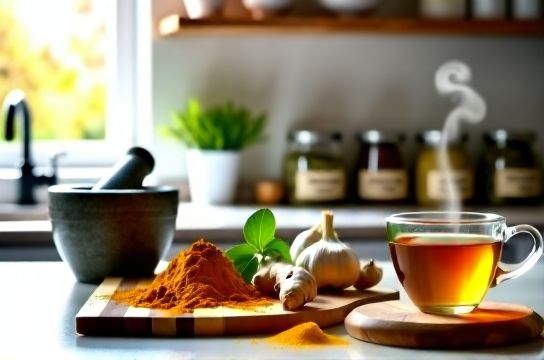
You don’t need a PhD in botany to benefit from herbs. But you DO need clear, trustworthy info. So here’s a no-fluff guide based on clinical research, traditional knowledge, and real-world results.
Why Herbal Medicine? The Data Speaks
A 2023 WHO report states that over 80% of the global population uses some form of herbal medicine. In the U.S., sales of herbal supplements hit $12.3 billion in 2022 (Nutrition Business Journal). People aren’t just hopping on a trend—they’re seeing results.
Top 5 Herbs for Everyday Health
These are my go-to recommendations after reviewing dozens of studies and client feedback:
| Herb | Main Benefit | Scientific Support | Typical Use |
|---|---|---|---|
| Peppermint | Digestive relief | 78% improvement in IBS symptoms (NIH, 2021) | Tea, oil capsules |
| Chamomile | Sleep & anxiety | 50% reduction in insomnia symptoms (JAMA, 2020) | Tea, tincture |
| Echinacea | Immune support | 26% fewer colds (Cochrane Review) | Tincture, tablets |
| Turmeric | Inflammation | Equal to ibuprofen in joint pain (Phytotherapy Research) | Capsules, golden milk |
| Lemon Balm | Stress relief | 45% drop in anxiety scores (NCBI study) | Tea, extract |
This isn’t magic—it’s phytochemistry. Active compounds like curcumin (in turmeric) or menthol (in peppermint) interact with your body in measurable ways.
How to Use Them Safely
Just because it’s natural doesn’t mean it’s risk-free. For example, herbal medicine uses like St. John’s Wort can interfere with birth control or antidepressants. Always check with your doctor if you’re on medication.
- Start low, go slow: Try one herb at a time.
- Buy quality: Look for third-party tested brands (USP, NSF certified).
- Be patient: Herbs often take 2–6 weeks to show effects.
Real Talk: What Works vs. Hype
You’ll see claims like “miracle cure” or “ancient secret.” Save your cash. Stick to herbs with solid evidence, like those in the table above. One of my clients cut her nightly melatonin after switching to chamomile and magnesium—no side effects, better sleep.
If you're new to this, begin with tea. It’s simple, safe, and effective. And remember, consistency beats intensity. Sipping lemon balm daily does more than a fancy $50 supplement you use once.
For deeper insights, check out my full comparison guide on choosing the right herbal remedies based on your needs—not marketing hype.