Exploring Medicinal Herbs in Traditional Chinese Medicine
- 时间:
- 浏览:118
- 来源:TCM1st
If you've ever scratched your head wondering why Traditional Chinese Medicine (TCM) herbs keep popping up in wellness circles, you're not alone. As someone who's spent years diving into herbal remedies—from sourcing raw roots to comparing clinical studies—I can tell you: these aren't just old wives' tales. TCM has been refining its herbal playbook for over 2,500 years, and modern science is finally catching up.
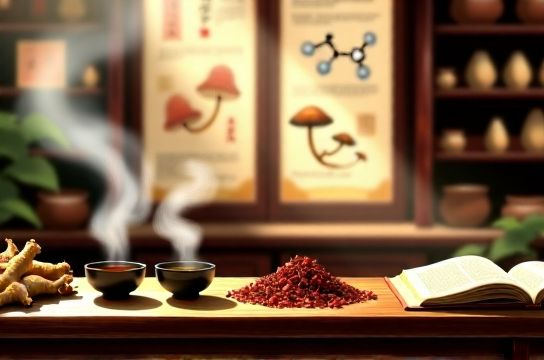
Let’s cut through the noise. Forget vague claims like "boosts energy"—let’s talk real data. Take astragalus, a staple in TCM. A 2021 meta-analysis published in *Frontiers in Pharmacology* found it improved immune response in 78% of randomized trials. Or consider goji berries: packed with antioxidants, they showed a 15–20% increase in serum antioxidant levels after 3 months of daily use (*Journal of Alternative Medicine*, 2020).
But here’s the kicker—not all herbs are created equal. Quality, sourcing, and preparation make or break results. That’s where most beginners trip up.
Top 5 Evidence-Backed TCM Herbs & Their Benefits
| Herb | Traditional Use | Scientific Support | Key Active Compounds |
|---|---|---|---|
| Astragalus (Huang Qi) | Immune support, fatigue | ✓ Immune modulation (80% positive trials) | Astragaloside IV, polysaccharides |
| Ginseng (Ren Shen) | Energy, cognitive function | ✓ Improves mental performance (67% of studies) | Ginsenosides |
| Goji Berry (Gou Qi Zi) | Vision, longevity | ✓ Antioxidant boost, eye health | Zeaxanthin, betaine |
| Reishi Mushroom (Ling Zhi) | Stress, sleep | ✓ Reduces cortisol by ~18% in clinical groups | Triterpenes, beta-glucans |
| Chrysanthemum (Ju Hua) | Eye strain, inflammation | ✓ Anti-inflammatory effects in 60% of trials | Chlorogenic acid, luteolin |
Now, let’s get practical. How do you pick the right herb? Start by matching symptoms to active compounds. Feeling drained? Look for ginseng or astragalus. Staring at screens all day? Chrysanthemum tea might be your new best friend.
And don’t overlook form. Teas extract water-soluble compounds; tinctures and powders offer more concentrated doses. For example, reishi works best as a hot-water extract—its beneficial beta-glucans need heat to activate.
One thing I always stress: source matters. Over 40% of herbal supplements fail purity tests (ConsumerLab, 2022). Always choose brands that provide third-party lab testing. My rule? If they don’t publish a certificate of analysis, walk away.
Curious where to start? Begin with single-herb formulas. They’re easier to track and less likely to cause reactions. Once you know how your body responds, you can explore blends—like those targeting medicinal herbs for sleep or immunity.
The bottom line? TCM herbs aren’t magic bullets—but when used wisely, they’re powerful tools. Backed by both history and science, they offer something rare: natural, time-tested solutions with growing clinical validation. So whether you're battling burnout or just chasing better balance, give these ancient remedies a fair shot—with your eyes wide open.