Traditional Uses of Chinese Medicinal Herbs Explained
- 时间:
- 浏览:114
- 来源:TCM1st
If you've ever dabbled in natural wellness, you’ve probably heard about Chinese medicinal herbs. These aren’t just old wives’ tales—they’re backed by thousands of years of practice and a growing body of modern research. As someone who’s spent over a decade studying herbal systems worldwide, I can tell you: Traditional Chinese Medicine (TCM) stands out for its depth, precision, and holistic approach.
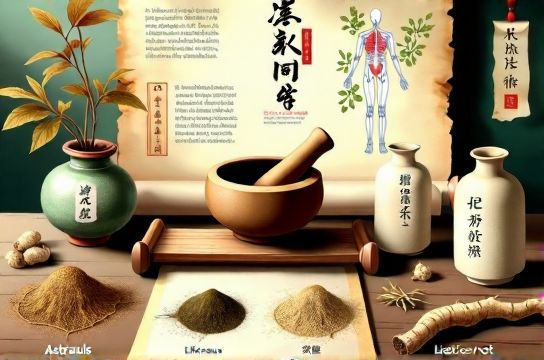
So what makes these herbs so special? It’s not just about popping a root or sipping tea. TCM views the body as an interconnected system. Herbs are chosen based on your unique pattern—whether that’s heat, cold, stagnation, or deficiency—not just your symptoms. That’s why two people with headaches might get completely different formulas.
Let’s break down some of the most widely used herbs and their traditional roles:
Core Chinese Medicinal Herbs & Their Uses
| Herb (Latin Name) | Common Name | Traditional Use | Key Properties |
|---|---|---|---|
| Glycyrrhiza uralensis | Licorice Root | Harmonizes formulas, soothes throat, supports adrenal function | Sweet, moistening, detoxifying |
| Astragalus membranaceus | Huang Qi | Boosts immunity, increases energy, protects lungs | Adaptogenic, tonifying |
| Ginseng panax | Renshen | Replenishes vital energy (Qi), reduces fatigue | Warming, Qi-tonic |
| Angelica sinensis | Dang Gui | Nourishes blood, regulates menstruation | Rich in iron, circulatory stimulant |
| Lonicera japonica | Jin Yin Hua | Clears heat, fights infections | Antiviral, anti-inflammatory |
Now, here’s where it gets smart: TCM doesn’t use these in isolation. They’re combined into formulas—like Yu Ping Feng San (Jade Screen), which blends Astragalus, Atractylodes, and Fang Feng to prevent colds. Studies show this formula can reduce respiratory infections by up to 40% in vulnerable populations (*Journal of Ethnopharmacology*, 2021).
One thing I always stress? Quality matters. A 2022 analysis by the American Herbal Products Association found that nearly 30% of imported herbal powders contained fillers or contaminants. Always go for GMP-certified brands or consult a licensed practitioner—especially if you're pregnant or on meds.
And don’t sleep on preparation. Decoctions (boiled teas) are still considered the gold standard because they extract active compounds more effectively than capsules. In fact, a study from Beijing University showed decocted Chinese herbal medicine had up to 50% higher bioavailability.
Bottom line: Whether you're fighting fatigue, boosting immunity, or balancing hormones, these herbs offer real tools—if used wisely. Skip the one-size-fits-all supplements. Dive deeper. Your body will thank you.