Avoiding Risks When Buying Chinese Herbal Products
- 时间:
- 浏览:119
- 来源:TCM1st
If you're diving into the world of natural wellness, you've probably considered Chinese herbal products. They’ve been used for over 2,000 years and are gaining serious traction in Western markets. But here’s the real talk: not all herbs are created equal — and some could do more harm than good if you’re not careful.
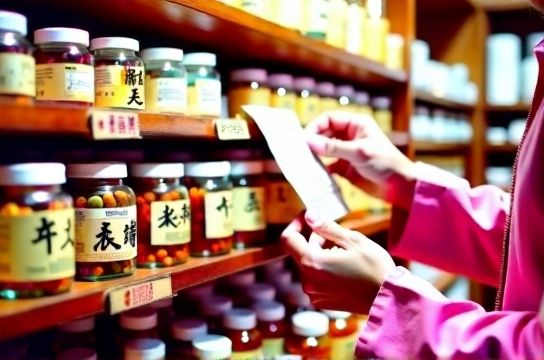
I’ve spent years researching traditional medicine supply chains, and I’ll be straight with you — contamination, mislabeling, and fake ingredients are real issues. A 2021 study by the American Herbal Products Association found that nearly 30% of herbal supplements tested contained undeclared plant species or fillers like wheat and soy (a big red flag for allergy sufferers).
Why Quality Matters More Than Price
You might see a $10 bottle of astragalus root on Amazon and think you’ve scored a deal. But cheap often means corners were cut. Reputable suppliers use third-party lab testing, ethical sourcing, and transparent processing — which costs money.
Here’s a quick breakdown of what to look for:
| Feature | Low-Quality Product | High-Quality Product |
|---|---|---|
| Label Transparency | Vague terms like “proprietary blend” | Lists exact herb amounts and Latin names |
| Testing | No mention of lab results | Third-party tested for heavy metals, microbes |
| Sourcing | Unknown origin | GMP-certified facilities, traceable farms |
| Allergens | May contain hidden fillers | Gluten-free, non-GMO, no additives |
This isn’t just about effectiveness — it’s safety. In 2019, the FDA issued warnings on several imported Chinese herbal remedies due to excessive lead and arsenic levels. Yikes.
How to Spot the Good From the Bad
Start with certifications. Look for labels like USDA Organic, GMP (Good Manufacturing Practice), or NSF International. These aren’t just fancy stickers — they mean the product passed rigorous checks.
Next, check the company’s transparency. Do they publish lab reports online? Can you trace the herb back to its farm? Brands like Plum Flower and Kaiser Herb Co. set the gold standard here.
And please — avoid random marketplaces with no reviews or contact info. Stick to trusted retailers or licensed practitioners.
The Bottom Line
Chinese herbal medicine can be powerful, but only if you source it wisely. Don’t gamble with your health for a few bucks saved. Invest in quality, demand transparency, and always consult a trained practitioner — especially if you’re on medication or pregnant.
Your body deserves better than mystery powders in pretty bottles.