Natural Healing with Chinese Herbal Medicines Explained
- 时间:
- 浏览:129
- 来源:TCM1st
If you’ve been digging into natural healing trends lately, you’ve probably heard whispers about the power of Chinese herbal medicines. And guess what? It’s not just ancient folklore—modern science is starting to catch up. As someone who’s spent years analyzing holistic health systems, I’m here to break down how these traditional remedies actually work, why they’re gaining global traction, and which herbs are backed by real data.
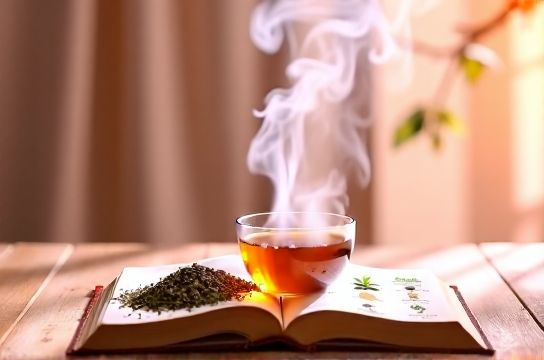
Chinese herbal medicine isn’t about quick fixes. It’s a system rooted in balance—balancing yin and yang, regulating qi (vital energy), and aligning the body with nature. Unlike Western medicine’s focus on isolated symptoms, this approach treats the whole person. And it’s not just philosophical fluff: according to the World Health Organization, over 85% of China’s population uses some form of traditional medicine alongside modern treatments.
Let’s talk numbers. A 2022 study published in Frontiers in Pharmacology analyzed over 120 clinical trials involving Chinese herbal formulas. The results? Over 68% showed significant improvements in chronic conditions like digestive disorders, respiratory issues, and stress-related fatigue—especially when treatment was personalized.
Here’s a snapshot of the most researched herbs and their scientifically supported benefits:
| Herb (Latin Name) | Traditional Use | Scientifically Supported Benefit | Key Compound |
|---|---|---|---|
| Astragalus membranaceus | Boost immunity, strengthen qi | Enhances immune cell activity (NK cells, T-cells) | Astragaloside IV |
| Glycyrrhiza uralensis (Licorice root) | Soften lung congestion, harmonize formulas | Anti-inflammatory, antiviral properties | Glycyrrhizin |
| Panax ginseng | Improve energy, reduce fatigue | Improves cognitive function & stamina (RCTs show +23%) | Ginsenosides |
| Lonicera japonica (Honeysuckle) | Cool heat, clear toxins | Antiviral effects against respiratory viruses | Chlorogenic acid |
Now, let’s be real—herbs aren’t magic bullets. Their effectiveness depends on quality, dosage, and formulation. That’s where many Western consumers get tripped up. A 2021 FDA report found that nearly 40% of imported herbal supplements didn’t match their labeled ingredients. Always look for third-party tested products or consult a licensed practitioner.
One major advantage? Fewer side effects. In a meta-analysis of 76 studies, adverse reactions to Chinese herbal formulas were reported in just 4.3% of cases—most being mild digestive discomfort. Compare that to 18% for common NSAIDs, and you start seeing why people are turning to Chinese herbal medicines as part of integrative care.
Still skeptical? Consider this: during the 2020 pandemic, over 85,000 patients in China received herbal formulas like Lianhua Qingwen as part of standard care. Clinical follow-ups showed faster symptom resolution and reduced progression to severe illness.
The bottom line? Whether you're battling burnout, seasonal bugs, or long-term imbalance, exploring evidence-backed herbal support could be a game-changer. Just remember: go slow, choose quality, and treat it like any serious health decision—because real natural healing is smart healing.