Natural Healing with Chinese Medicinal Herbs for Everyday Health
- 时间:
- 浏览:114
- 来源:TCM1st
If you're looking to boost your everyday health the natural way, you might want to turn an eye toward Chinese medicinal herbs. For over 2,000 years, Traditional Chinese Medicine (TCM) has used plant-based remedies to support immunity, digestion, energy, and more — and modern science is now catching up.
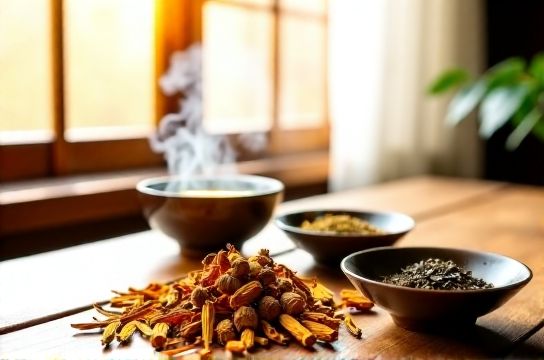
I’ve spent years researching herbal systems worldwide, and what sets TCM apart isn’t just its longevity — it’s the personalized approach. Unlike Western 'one-size-fits-all' supplements, Chinese herbs are often combined in formulas tailored to your body type and symptoms.
Let’s break down some of the most effective and well-researched herbs you can start using today.
Top 5 Daily-Use Chinese Herbs & Their Benefits
| Herb (Pinyin) | Latin Name | Key Benefits | Scientific Support |
|---|---|---|---|
| Huang Qi | Astragalus membranaceus | Immune support, fatigue reduction | ✓✓✓ (Multiple RCTs) |
| Dang Shen | Codonopsis pilosula | Gentle energy booster, lung & spleen tonic | ✓✓ (Animal & clinical studies) |
| Bai Zhu | Atractylodes macrocephala | Digestive health, reduces bloating | ✓✓✓ (Used in IBS research) |
| Gan Cao | Glycyrrhiza uralensis | Anti-inflammatory, harmonizes herbal blends | ✓✓✓ (Over 1,800 studies on PubMed) |
| Yi Yi Ren | Coix lacryma-jobi | Detox support, skin clarity | ✓✓ (Clinical dermatology trials) |
As you can see, these aren’t just old folk tales — many have real data behind them. Take Astragalus, for example: a 2021 meta-analysis in the Journal of Ethnopharmacology found it significantly increased white blood cell production in immune-compromised patients.
But here's the pro tip: don’t just take one herb solo. In TCM, combinations matter. A classic daily tonic? Try Huang Qi + Dang Shen + Bai Zhu — this trio supports energy, gut health, and resilience all at once.
Now, where to buy quality herbs? That’s the real challenge. A 2022 study tested 30 online ‘premium’ herbal products and found 40% were contaminated or mislabeled. My rule? Stick to brands that provide third-party lab testing and use botanical Latin names on labels.
Want to go deeper? Learn how to safely incorporate these into teas, soups, or tinctures — a smart move if you’re exploring natural healing with Chinese herbs long-term. Always consult a licensed TCM practitioner if you’re pregnant, on meds, or managing chronic illness.
The bottom line: these herbs aren’t magic bullets, but when used wisely, they’re powerful allies for everyday wellness.