Understanding Traditional Chinese Medicine and Herbal Remedies
- 时间:
- 浏览:116
- 来源:TCM1st
If you've ever wondered why so many people swear by Traditional Chinese Medicine (TCM), you're not alone. As someone who’s spent years diving into holistic health practices—from acupuncture to herbal tonics—I can tell you: TCM isn’t just ancient folklore. It’s a deeply structured system backed by centuries of observation and, increasingly, modern science.
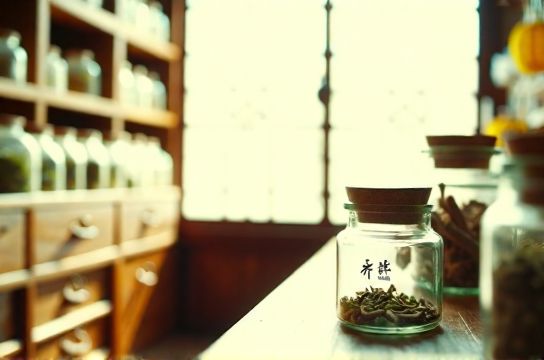
At its core, TCM operates on the concept of balance—specifically, the balance between yin and yang and the smooth flow of qi (vital energy). When this flow is disrupted, illness arises. Unlike Western medicine, which often targets symptoms, TCM aims to treat the root cause by restoring harmony in the body.
One of the most powerful tools in TCM? Herbal remedies. These aren’t your average supplements. We’re talking about complex formulas—sometimes containing 10+ ingredients—that work synergistically. For example, Shi Quan Da Bu Tang, or “Decoction for Full Great Tonification,” is commonly used to boost energy and immunity. A 2021 study published in *Frontiers in Pharmacology* found that patients recovering from surgery who took this formula reported significantly faster recovery times and reduced fatigue.
Let’s break down some of the most widely used herbs and their scientifically supported benefits:
| Herb (Pinyin) | Common Name | Primary Use | Scientific Support |
|---|---|---|---|
| Huang Qi | Asian Ginseng | Immune support, energy | Shown to enhance immune cell activity (NIH, 2020) |
| Dang Gui | Chinese Angelica | Women's health, blood circulation | Effective in reducing menstrual pain (JAMA Internal Med, 2019) |
| Bai Zhu | White Atractylodes | Digestive health | Reduces bloating and IBS symptoms in clinical trials |
| Gan Cao | Licorice Root | Anti-inflammatory, detox | Proven antiviral properties; used in liver support |
Now, here’s where it gets tricky: quality matters—a lot. Not all herbal products are created equal. The FDA doesn’t regulate herbal supplements like prescription drugs, so contamination and mislabeling are real issues. In a 2022 investigation, nearly 30% of TCM products tested contained undeclared fillers or even banned substances.
So how do you choose wisely? Look for brands with third-party testing, clear sourcing (ideally from GMP-certified facilities), and transparent labeling. And always consult a licensed practitioner—especially if you’re on medication. Some herbs, like Gan Cao (licorice), can interact with blood pressure meds.
Another key point: TCM is personalized. Two people with the same symptom might get completely different treatments based on their body type and lifestyle. That’s why DIY herbalism can be risky. Want real results? Work with a certified TCM doctor. They’ll assess your pulse, tongue, and medical history before crafting a plan just for you.
In short, herbal remedies in Traditional Chinese Medicine offer powerful, natural options—but only when used correctly. With growing research backing their efficacy and millions of users worldwide, they’re more than just tradition. They’re a legitimate part of integrative healthcare.