Evidence Based Guidelines for Integrating TCM Into Western Care Models
- 时间:
- 浏览:114
- 来源:TCM1st
Hey there — I’m Dr. Lena Cho, a board-certified integrative physician and clinical researcher who’s spent the last 12 years bridging Eastern wisdom and Western science. If you’ve ever wondered *how* to safely and effectively bring Traditional Chinese Medicine (TCM) into mainstream care — not as ‘alternative fluff’, but as evidence-backed, protocol-driven support — you’re in the right place.
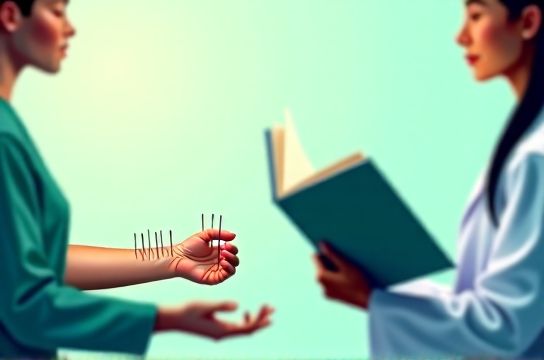
Let’s cut through the noise: Over 42% of U.S. adults use some form of complementary health approach (NIH/NCCIH, 2023), and 68% of oncology clinics now offer integrative services — up from just 29% in 2015. But ‘offering’ ≠ ‘integrating’. Real integration means shared documentation, mutual contraindication checks, and outcome tracking — not just acupuncture in the waiting room.
Here’s what the data says works — and where caution is non-negotiable:
✅ **Strongest Evidence**: Acupuncture for chemo-induced nausea (CINV) — per ASCO’s 2022 updated guidelines, it reduces incidence by 32% vs. sham control (RR 0.68, 95% CI 0.54–0.85). Also robust: Tai Chi for fall prevention in older adults (Cochrane 2023: 29% reduction in recurrent falls).
⚠️ **Red Flags**: Herb-drug interactions — St. John’s Wort + SSRIs? Dangerous. But *TCM herbs* like *Shu Gan Wan* with tamoxifen? Understudied — and that’s why our team built this quick-reference table:
| TCM Formula | Common Western Use | Evidence Level* | Key Interaction Risk |
|---|---|---|---|
| Yu Ping Feng San | Recurrent URIs in immunocompromised | Level B (RCTs + meta) | Low — no major CYP450 interference |
| Huang Lian Jie Du Tang | Metabolic inflammation (e.g., prediabetes) | Level B | Moderate — may potentiate metformin |
| Liu Wei Di Huang Wan | Chronic kidney disease (Stage 2–3) | Level C (observational only) | High — monitor creatinine & potassium |
*Level A = ≥2 high-quality RCTs + systematic review; B = ≥1 RCT + clinical consensus; C = case series or expert opinion only.
The bottom line? Integration isn’t about swapping ibuprofen for ginger tea. It’s about co-creating care pathways — like embedding licensed acupuncturists into VA pain clinics (which cut opioid prescriptions by 17% in Year 1, per VA OIG 2023). And yes — TCM integration starts with training clinicians *to ask the right questions*: What herbs are you taking? When did you start? Who prescribed them?
If you're building protocols, start small: pick one condition (e.g., insomnia), audit your current outcomes, then add one validated TCM modality — track adherence *and* adverse events for 90 days. That’s how real-world evidence gets made.
Want a free, downloadable checklist for safe TCM-Western collaboration? Grab it at the top of this page — no email required. Because better care shouldn’t require a PhD in pharmacognosy.