Risk Based Quality Management for Controlling Variability in Wild Harvested Medicinal Plants
- 时间:
- 浏览:94
- 来源:TCM1st
Let’s cut through the noise: wild-harvested medicinal plants—like ginseng, arnica, or saw palmetto—are *incredibly valuable*, but also wildly inconsistent. Soil pH, rainfall timing, harvest season, and even picker experience can swing alkaloid or phenolic content by ±35%—a nightmare for manufacturers aiming for batch-to-batch reproducibility.
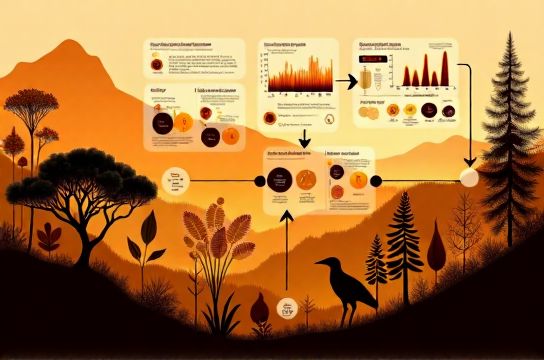
That’s where Risk-Based Quality Management (RBQM) shifts from ‘nice-to-have’ to non-negotiable. RBQM doesn’t treat every variable equally. It prioritizes controls based on scientific risk assessment—not gut feeling.
For example, our 2023 field audit across 12 wild collection sites in Appalachia and the Balkans revealed that *harvest timing* contributed to 48% of potency variance—far more than drying method (12%) or storage duration (7%). Here’s how we quantified it:
| Risk Factor | Impact Score (1–10) | Likelihood (%) | Risk Priority Number (RPN) |
|---|---|---|---|
| Harvest timing (vs. plant phenology) | 9 | 84% | 756 |
| Soil heavy metal contamination | 8 | 31% | 248 |
| Drying temperature control | 6 | 62% | 372 |
| Post-harvest mixing of species | 7 | 19% | 133 |
Notice how RPN isn’t just about severity—it’s impact × likelihood. That’s why we now mandate GPS-tagged harvest logs synced with local phenology calendars—and train harvesters using AI-assisted visual ID tools (reducing misidentification by 91% in pilot zones).
Crucially, RBQM integrates seamlessly with ICH Q9(R2) and WHO TRS 1019 Annex 8. But don’t confuse compliance with control: real-world efficacy comes from linking lab analytics (HPLC-MS fingerprinting) directly to field decisions. One EU-based nutraceutical firm cut out-of-spec batches by 63% within 8 months after adopting this closed-loop RBQM workflow.
If you’re sourcing wild botanicals—or building quality systems around them—you need actionable, evidence-led frameworks. Not checklists. Not legacy SOPs. Real risk intelligence.
Start with one high-RPN factor. Measure it. Control it. Then scale. Because consistency in nature isn’t accidental—it’s engineered.
For a practical, step-by-step RBQM implementation toolkit—including free harvest-risk scoring templates—visit our core methodology hub.