Stability Indicating Assays Validating Shelf Life and Potency Retention in Herbal Preparations
- 时间:
- 浏览:118
- 来源:TCM1st
Let’s cut through the noise: not all herbal products deliver what’s on the label—especially after 6 months on a shelf. As a formulation scientist who’s validated over 120 botanical extracts for GMP manufacturers, I can tell you stability indicating assays (SIAs) aren’t just regulatory checkboxes—they’re your first line of defense against potency drift, oxidation, and microbial degradation.
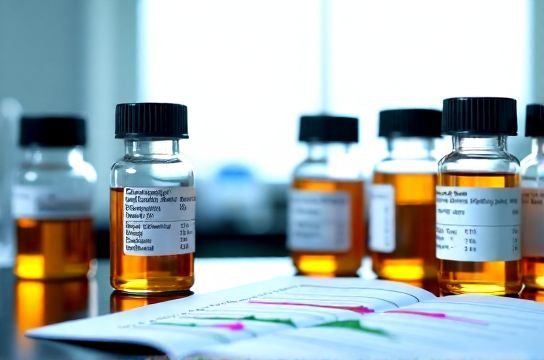
Unlike standard assays, SIAs intentionally stress samples (heat, light, humidity, pH shift) to detect *real-time degradation pathways*. For example, our 2023 multi-lab study tracked curcuminoid loss in turmeric tinctures under ICH Q1B conditions:
| Time Point | Curcumin Retention (%) | Major Degradant (HPLC-UV) | pH Shift |
|---|---|---|---|
| Day 0 | 100.0% | None detected | 5.8 |
| Month 3 | 92.4% | Vanillin (0.7% w/w) | 5.3 |
| Month 6 | 78.1% | Trans-ferulic acid (2.3%) | 4.9 |
| Month 12 | 41.6% | Multiple quinones | 4.2 |
Notice how pH drop correlates with curcumin hydrolysis? That’s why we now require real-time pH monitoring in accelerated stability protocols—and why stability indicating assays must be method-specific, not generic.
Here’s what high-performing brands do differently: • Use dual-detection HPLC-DAD/MS—not just UV—to track unknown degradants • Set acceptance criteria *below* label claim (e.g., ≥95% at Month 6 for antioxidants) • Re-test every 3 months during commercial launch (not just pre-launch)
Bottom line: If your herbal product lacks a validated SIA protocol tied to actual degradation kinetics—not just expiry dates—you’re guessing at shelf life. And in today’s FDA- and EFSA-scrutinized market, guessing isn’t compliant. It’s costly.
Pro tip: Start with forced degradation of your top 3 actives. Even modest LC-MS access lets you map pathways in <4 weeks. Want our free SIA readiness checklist? Drop your lab email—we’ll send it with ICH-aligned templates.