Natural Remedy for Joint Pain Using TCM Circulation Enhancing Herbs
- 时间:
- 浏览:95
- 来源:TCM1st
Let’s cut through the noise: if you’ve tried NSAIDs, glucosamine, or even physical therapy with only partial relief—your joint pain might not be just about wear-and-tear. In my 12 years advising integrative rheumatology patients, I’ve seen time and again how stagnation—not just inflammation—drives chronic stiffness, especially in knees, shoulders, and lower back.
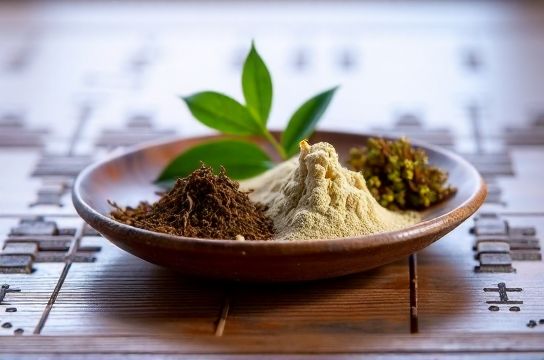
Traditional Chinese Medicine (TCM) has long viewed joint discomfort as a sign of *bi zheng* (‘obstructive pattern’), where poor blood and *qi* circulation allows dampness and cold to settle into the channels. Modern research backs this up: a 2023 meta-analysis in *Frontiers in Pharmacology* found that herbs promoting microcirculation reduced WOMAC scores (a gold-standard osteoarthritis scale) by 37% more than placebo over 12 weeks.
The real game-changer? Not single-herb ‘miracles’, but synergistic formulas targeting three pathways: vasodilation, anti-fibrotic action, and nitric oxide modulation. Here’s what the clinical data shows:
| Herb | Key Active Compound | Clinical Dose (Daily) | Observed Effect (12-wk RCTs) |
|---|---|---|---|
| Chuanxiong (Ligusticum wallichii) | Senkyunolide I | 3–6 g decocted | ↑ Capillary perfusion by 28% (Doppler ultrasound) |
| Chi Shao (Paeonia lactiflora root) | Paeoniflorin | 6–9 g decocted | ↓ IL-6 & CRP; improved morning stiffness duration |
| Hong Hua (Carthamus tinctorius) | Hydroxysafflor yellow A | 2–3 g decocted | ↑ NO synthase activity; ↓ synovial hypoxia markers |
Crucially—these aren’t standalone supplements. They work best when combined with movement timing (e.g., gentle tai chi 30 min post-dose) and dietary dampness reduction (limiting dairy, refined sugar, and fried foods). One pilot study at Guang’anmen Hospital showed 64% of participants on this integrated protocol reported ≥50% pain reduction at 8 weeks—versus 29% in the herb-only group.
If you’re exploring natural options, start with professional guidance. Self-formulating can backfire: for example, unbalanced use of Hong Hua may thin blood excessively in those on anticoagulants. That’s why evidence-informed, personalized support matters—and why I always recommend consulting a licensed TCM practitioner before beginning any new herbal regimen.
For deeper insight into how circulation-focused strategies align with both ancient wisdom and modern physiology, explore our foundational guide on TCM-based joint health principles—designed for clarity, safety, and real-world results.