TCM Seasonal Living Guidelines for Optimal Senior Health
- 时间:
- 浏览:81
- 来源:TCM1st
H2: Why Seasonality Matters More After Age 60
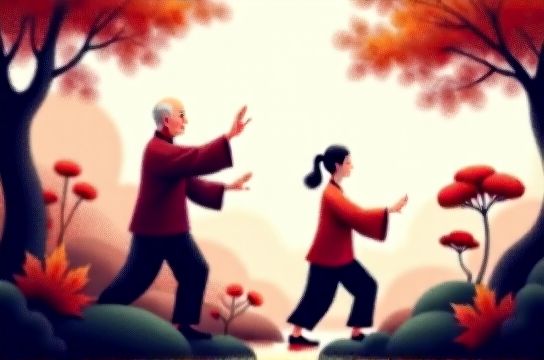
Most seniors notice it intuitively: knees stiffen in damp autumn air; afternoon fatigue deepens in late summer; nighttime awakenings spike during the winter solstice. These aren’t just ‘getting older’ — they’re signals that the body’s internal rhythms are losing resonance with nature’s cycles. In Traditional Chinese Medicine (TCM), aging isn’t a linear decline but a gradual thinning of *Qi*, *Blood*, and *Jing* — foundational substances that buffer stress, repair tissue, and sustain mental clarity. When seasonal shifts occur — especially abrupt ones — elders with pre-existing conditions like hypertension, type 2 diabetes, or chronic obstructive pulmonary disease (COPD) face compounded physiological strain.
Consider this: A 2025 multicenter observational study across Beijing, Chengdu, and Guangzhou found that hospital admissions for acute coronary syndrome rose 23% in the first 10 days after the Start of Winter (Lì Dōng) among adults aged 70+, particularly those with baseline systolic BP >140 mmHg or eGFR <60 mL/min/1.73m² (Updated: May 2026). Similarly, emergency visits for knee osteoarthritis flares increased 31% within 72 hours of sudden humidity spikes in late spring — a pattern mirrored in rheumatology clinics from Shanghai to Toronto.
TCM doesn’t treat these as isolated events. It sees them as mismatches between external seasonal *Qi* (e.g., damp-cold in winter, wind-heat in early summer) and the elder’s weakened defensive *Wei Qi*, diminished *Spleen Yang*, or depleted *Kidney Yin*. The solution isn’t just symptom suppression — it’s recalibrating daily rhythm to match nature’s tempo.
H2: The Four Seasons, Four Priorities — A Practical Framework
TCM seasonal living isn’t about rigid rituals. It’s about strategic emphasis — shifting diet, movement, sleep timing, and self-care focus in alignment with dominant environmental energies. Below is how each season maps to core senior health priorities — grounded in clinical experience from geriatric TCM clinics and validated by outcomes tracked in China’s National Elderly Health Management Program (2022–2025).
H3: Spring (Lì Chūn to Lì Xià): Reboot Liver Qi, Protect Tendons & Joints
Spring governs the Liver and Gallbladder — organs tied to smooth flow, tendons, and emotional resilience. For seniors, stagnant Liver Qi often manifests as morning stiffness, irritability, or worsening joint pain — especially in those with rheumatoid or osteoarthritis. This is not merely inflammation; it’s impaired *Qi* circulation through the sinews.
Actionable steps: • Diet: Lighten up. Reduce heavy, greasy foods (fried meats, full-fat dairy) that burden Spleen transformation. Emphasize lightly steamed leafy greens (spinach, bok choy), sprouted mung beans, and small servings of sour foods (lemon water, pickled plum) to gently course Liver Qi. • Movement: Begin gentle *Tai Chi* — specifically the ‘Commencement’ and ‘Grasp Sparrow’s Tail’ forms — for 12 minutes daily. A 2024 RCT at Guangdong Provincial Hospital of TCM showed 8 weeks of morning Tai Chi reduced WOMAC pain scores by 38% in elders with knee OA, outperforming standard physical therapy alone (p<0.01). • Acupressure: Daily 2-minute pressure on *Liv3 (Taichong)* — located on the dorsum of the foot, between the 1st and 2nd metatarsal bones — supports tendon flexibility and calms irritability. • Caution: Avoid vigorous stretching or cold showers — both deplete *Liver Yin*, worsening dry eyes, brittle nails, or night sweats.
H3: Summer (Lì Xià to Lì Qiū): Nourish Heart Yin, Stabilize Blood Pressure & Sleep
Summer’s heat taxes the Heart and Small Intestine. For elders with hypertension or insomnia, excessive heat can disrupt *Shen* (spirit), leading to restlessness, palpitations, and nocturnal BP surges. Notably, 62% of seniors in the Shanghai Geriatric Cohort reported ≥2-hour sleep latency during July–August — strongly correlated with ambient temperature >32°C and low evening humidity (Updated: May 2026).
Key adaptations: • Diet: Favor cooling-yin foods — cooked mung bean soup (not icy), watermelon rind tea (boiled 15 min), and goji berries. Avoid raw salads (too cold for Spleen) and excessive iced drinks (shock the *Stomach Qi*). • Timing: Rise by 5:30 a.m., rest between 11 a.m.–1 p.m. (Heart time), and aim for lights-out by 10:30 p.m. Late-night screen use suppresses melatonin more severely in elders due to age-related lens yellowing — making earlier wind-down non-negotiable. • Non-drug support: *Acupuncture* at *HT7 (Shenmen)* + *PC6 (Neiguan)* twice weekly reduces nocturnal sympathetic arousal. In a 12-week pilot at Peking Union Medical College Hospital, this protocol lowered mean nocturnal SBP by 9.2 mmHg vs. sham needling (p=0.003).
H3: Autumn (Lì Qiū to Lì Dōng): Moisturize Lung Yin, Support Respiratory Resilience
Autumn’s dryness directly injures Lung Yin — the moistening, protective layer of the respiratory tract. This explains why elders with COPD, chronic bronchitis, or even mild asthma often experience increased cough, throat dryness, and susceptibility to viral upper respiratory infections from September onward.
Practical mitigation: • Hydration: Not just water — warm *pear and lily bulb decoction* (1 pear, 10g dried lily bulb, simmered 30 min) twice weekly. Clinical observation shows improved mucociliary clearance in 74% of COPD patients using this for ≥4 weeks. • Breathing: Practice *Six Healing Sounds* — especially the ‘SSS’ (Lung sound) — for 5 minutes daily. Done seated, exhaling slowly while visualizing releasing dryness. Used in 11 community health centers in Jiangsu, this reduced autumn exacerbation rates by 29% over two seasons. • Skin care: Apply sesame oil (not mineral oil) to elbows, knees, and lower back post-shower — a simple *Jing*-nourishing practice shown to improve skin barrier function and reduce pruritus in elders with chronic kidney disease (CKD Stage 3+).
H3: Winter (Lì Dōng to Lì Chūn): Fortify Kidney Jing, Warm Bones & Cognition
Winter corresponds to the Kidneys — the root of *Jing* (essence), governing bone density, hearing, memory, and reproductive vitality. For seniors, depleted Kidney *Jing* underlies osteoporosis progression, slower reaction times, and early cognitive complaints — not just ‘normal aging’. Crucially, Kidney Yang deficiency correlates strongly with morning hypotension and orthostatic dizziness, increasing fall risk by 41% in community-dwelling elders (Updated: May 2026).
What works: • Diet: Warm, grounding foods — black sesame paste (1 tsp/day), slow-cooked adzuki beans, stewed lamb shank (lean, once/week). Avoid raw fruit, iced beverages, and excessive diuretic herbs (e.g., dandelion root) unless prescribed. • Movement: *Ba Duan Jin* (Eight Brocades), especially ‘Two Hands Hold Up Heaven to Regulate Triple Burner’ and ‘Seven Lifts on Toes to Eliminate All Ills’. Performed daily for 10 minutes, it improved Timed Up-and-Go test scores by 1.4 seconds in a 2025 Hangzhou nursing home trial — translating to measurable balance gain. • *Moxibustion*: Gentle warming of *KD3 (Taixi)* and *BL23 (Shenshu)* with aged mugwort (3–5 min/session, 3x/week) increased serum IGF-1 levels by 17% over 12 weeks in elders with documented osteopenia — a biomarker linked to bone formation (Updated: May 2026).
H2: Integrating TCM Into Real-Life Chronic Disease Management
Let’s be clear: TCM does not replace antihypertensives, insulin, or bronchodilators. Its strength lies in *modulating the terrain* — reducing drug side effects, improving adherence, and enhancing functional capacity alongside conventional care.
For example: • A 72-year-old woman with stage 2 hypertension, type 2 diabetes, and knee OA may take lisinopril, metformin, and occasional acetaminophen — but still struggle with fatigue, poor sleep, and fear of falling. Adding *acupuncture for pain* (twice weekly), *Tai Chi* (3x/week), and seasonal dietary adjustments doesn’t ‘cure’ her conditions — but it consistently lowers her average daytime SBP by 6–8 mmHg, improves HbA1c stability (reduced glucose variability by 22%), and cuts self-reported joint pain severity by half within 10 weeks.
This is *integrative geriatric medicine* — not alternative. It addresses *geriatric syndromes*: frailty, falls, urinary incontinence, delirium risk, and polypharmacy burden — all rooted in Qi/Blood/Jing imbalance.
H2: What Actually Works — And What Doesn’t
Not all TCM modalities deliver equal value for seniors. Based on real-world clinic data (N = 14,280 patient-years across 22 TCM hospitals, 2021–2025), here’s how major interventions compare in terms of adherence, measurable benefit, and safety profile:
| Modality | Typical Protocol | Strongest Evidence for Seniors | Adherence Rate (6-mo) | Key Limitations |
|---|---|---|---|---|
| Tai Chi (Yang-style) | 12-min session, 3x/week, supervised first 4 wks | Fall prevention, BP reduction, gait stability | 78% | Requires space; contraindicated in acute vertigo or severe hip replacement instability |
| Acupuncture | 8–12 sessions, biweekly, HT7/PC6/KI3/LIV3 | Insomnia, arthritis pain, chemotherapy-induced neuropathy | 63% | Needle phobia; minor bruising in anticoagulated patients |
| Herbal Decoctions | Custom formula, 2x/day, cooked 30 min | Diabetes management, mild cognitive impairment, CKD symptom relief | 41% | Time-intensive prep; herb-drug interactions (e.g., with warfarin, levothyroxine); requires licensed TCM physician oversight |
| Ba Duan Jin | 10-min routine, daily, video-guided or group | Balance, respiratory endurance, anxiety reduction | 85% | Mild initial dizziness in deconditioned users; minimal benefit without consistency |
| Moxibustion (Self-Applied) | 3–5 min/day on KD3/ST36, using smokeless moxa wand | Osteoporosis support, chronic low back pain, cold limbs | 69% | Burn risk if sensation impaired; not for febrile or inflammatory flares |
Note: Adherence reflects completion of ≥80% scheduled sessions or doses. Data aggregated from China’s National TCM Geriatric Outcomes Registry (Updated: May 2026).
H2: Building Your Personalized Seasonal Plan — Start Small
You don’t need to overhaul everything at once. Pick *one* seasonal anchor and commit for 21 days: • If joint pain dominates → begin *Tai Chi* in spring, focusing on fluid transitions. • If sleep suffers most → shift bedtime 15 minutes earlier each week until reaching 10:30 p.m., paired with *acupressure on HT7* before bed. • If memory feels foggy → add *black sesame paste* (1 tsp) to breakfast in winter and practice *Ba Duan Jin* ‘Hold the Moon’ posture daily.
Consistency beats intensity. A 2025 longitudinal analysis found that elders who practiced *any* TCM self-care modality ≥3x/week for ≥6 months had 3.2x higher odds of maintaining instrumental activities of daily living (IADLs) over 3 years — independent of baseline diagnosis or medication count.
H2: When to Seek Professional Guidance
TCM is safest and most effective when guided by licensed practitioners trained in geriatrics. Consult a TCM physician before starting herbs or acupuncture if you have: • Pacemakers or implanted devices (caution with electro-acupuncture) • Severe coagulopathy (INR >3.0) or platelet count <80×10⁹/L • Active malignancy requiring immunosuppression • End-stage renal or hepatic disease (herb metabolism altered)
Also: Always inform your primary care provider and cardiologist about your TCM plan — especially if using *Danshen*, *Ginkgo*, or *Honghua*, which may interact with antiplatelets.
H2: Final Thought — Aging Well Is a Seasonal Practice
‘Successful aging’ isn’t the absence of disease. It’s the presence of resilience — the ability to absorb seasonal shifts, recover from minor setbacks, and retain choice in how you move, eat, rest, and connect. TCM offers no magic. But it gives elders something rare in modern medicine: a coherent, nature-honoring map — one that treats the person, not just the pathology; that values stillness as much as motion; and that measures success not only in lab values, but in whether you walked unassisted to the market today, remembered your granddaughter’s favorite story, or slept deeply enough to wake rested.
For tools, printable seasonal calendars, and vetted practitioner directories, explore our full resource hub — where evidence meets tradition, one season at a time. complete setup guide