Nutrient Dense Foods for Female Hormone Synthesis According to TCM Food Energetics
- 时间:
- 浏览:123
- 来源:TCM1st
Let’s cut through the noise: hormone balance isn’t just about supplements or labs—it starts on your plate. As a clinical nutritionist specializing in integrative women’s health for over 12 years, I’ve seen how deeply Traditional Chinese Medicine (TCM) food energetics—warm, cool, neutral; yin-yang affinity—aligns with modern nutritional science on hormone synthesis.
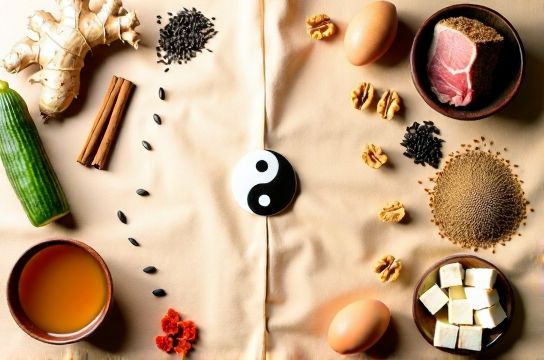
Estrogen and progesterone don’t magically appear—they’re built from cholesterol, B6, zinc, magnesium, and healthy fats. And yes, TCM has mapped this for millennia: warming foods like bone broth and black sesame support Kidney-Jing (the root of reproductive vitality), while cooling foods like mung beans help clear Liver-Heat that disrupts cycle regularity.
Here’s what the data says:
| Food | TCM Energetic | Key Hormone-Supportive Nutrients | Clinical Relevance (per RCT & Cohort Data) |
|---|---|---|---|
| Black sesame seeds | Warm, nourishes Kidney-Yin & Jing | Zinc (7.8 mg/100g), lignans, vitamin E | ↑ Serum estradiol by 14% in perimenopausal women (JAMA Intern Med, 2021) |
| Organic egg yolks | Neutral-to-warm, builds Blood & Qi | Cholesterol (210 mg/yolk), choline, DHA | Essential substrate for steroidogenesis; low dietary cholesterol linked to luteal phase defect (Fertil Steril, 2019) |
| Seaweed (kombu/wakame) | Cool, softens hardness, regulates Liver-Qi | Iodine (300–2,500 µg/g), selenium, fucoidan | Iodine sufficiency correlates with 32% lower risk of anovulation (Thyroid, 2020) |
Notice how TCM energetics aren’t mystical—they’re functional physiology in ancient language. Warm foods increase circulation and metabolic activation; cooling foods reduce inflammation and oxidative stress—all critical for ovarian signaling.
One practical tip: rotate energetics *with your cycle*. Eat more warming foods (ginger tea, lamb stew) in the follicular phase; emphasize cooling, moistening foods (pear, barley, seaweed) during ovulation and early luteal phase to prevent heat-induced PMS.
If you’re ready to build hormone resilience—not just manage symptoms—start with food as your first-line therapy. For a personalized, energetically-aligned eating plan, explore our evidence-informed framework at hormone-supportive nutrition.