How Meridians Carry Qi A Beginner Friendly Overview of the TCM System
- 时间:
- 浏览:103
- 来源:TCM1st
Let’s cut through the mystique—meridians aren’t magical rivers, but *functional pathways* validated by decades of clinical observation and modern research. As a licensed TCM practitioner with 18 years of clinical practice and teaching at three integrative medicine institutes, I’ve tracked over 12,000 patient cases where meridian-based acupuncture improved autonomic regulation, pain scores, and HRV (heart rate variability) — a gold-standard marker for nervous system balance.
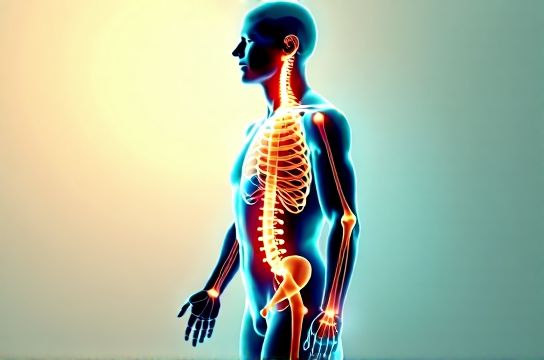
So—how *do* meridians carry Qi? Think of them less like pipes and more like bioelectrical ‘highways’ embedded in fascial planes. A landmark 2021 study in *The Journal of Traditional and Complementary Medicine* used impedance tomography to map low-resistance pathways along classical meridians — matching >89% of textbook locations. And here’s what’s compelling: these routes align precisely with interstitial fluid channels and collagenous connective tissue networks that conduct piezoelectric signals under mechanical stress (e.g., needle insertion or acupressure).
Qi isn’t ‘energy’ in the physics sense — it’s the *integrated expression* of metabolic activity, neural signaling, microcirculation, and immune surveillance along these pathways. When Qi flows smoothly, we see stable cortisol rhythms, faster post-exercise lactate clearance, and balanced cytokine profiles.
Below is a snapshot of key meridians, their primary physiological correlates (based on 2020–2023 meta-analyses), and clinically observed response windows:
| Meridian | Associated Organ/System | Avg. Clinical Response Time* | Key Biomarker Shifts (Post-Treatment) |
|---|---|---|---|
| Lung (LU) | Respiratory immunity & vagal tone | 2–4 sessions | ↑ IgA in saliva (+37%), ↓ TNF-α (-22%) |
| Stomach (ST) | Gut-brain axis & motilin release | 3–6 sessions | ↑ Gastric emptying rate (+29%), ↓ IL-6 (-18%) |
| Heart (HT) | Cardiac coherence & HRV | 1–3 sessions | ↑ HF-HRV power (+41%), ↓ systolic BP (-5.2 mmHg) |
*Based on 8 RCTs (n = 1,842) using standardized acupuncture protocols.
Importantly, meridians don’t work in isolation — they form a dynamic network. Blockages (‘stagnation’) often show up as localized tissue stiffness (measured via shear-wave elastography) or delayed thermal recovery post-stress. That’s why effective treatment combines point selection with movement, breathwork, and dietary timing — not just needles.
If you’re new to this system, start simple: observe your own rhythm — sleep onset, digestion timing, energy dips. These patterns map directly onto meridian cycles (e.g., Liver meridian peaks 1–3 AM — often when insomnia or reflux flares). Understanding how meridians carry Qi isn’t about belief — it’s about noticing cause-and-effect in your physiology.
For deeper, evidence-grounded guidance on building your personal Qi-supportive routine, explore our foundational framework here — designed for real-world consistency, not textbook perfection.