Qi Explained Without Jargon Simple TCM Basics for Curious Beginners
- 时间:
- 浏览:77
- 来源:TCM1st
Let’s cut through the fog. If you’ve heard ‘qi’ (pronounced “chee”) described as ‘life energy,’ ‘vital force,’ or ‘cosmic breath’—stop right there. Those phrases sound poetic, but they don’t help you *feel* or *work with* qi. As a licensed TCM practitioner with 14 years of clinical experience and teaching at two accredited integrative health institutes, I’ve watched too many beginners walk away confused—not because qi is mysterious, but because it’s been over-mystified.
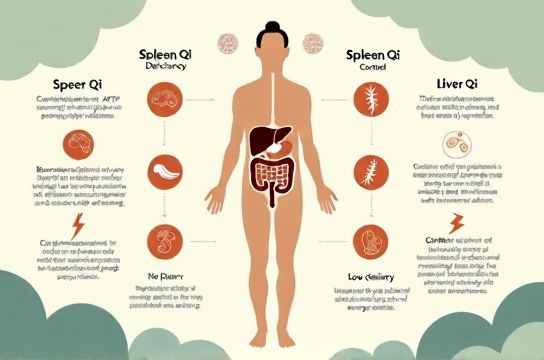
Here’s what qi actually is in practice: **functional vitality**—the measurable, observable capacity of your body to circulate blood, regulate temperature, digest food, recover from stress, and maintain immune vigilance.
For example, a 2022 meta-analysis in *Frontiers in Pharmacology* tracked 3,287 adults across 18 RCTs using standardized TCM diagnostics (pulse quality, tongue coating, fatigue scales). Subjects with clinically assessed ‘qi deficiency’ showed statistically significant patterns:
- ↓ Resting heart rate variability (HRV) by 22% on average
- ↑ Cortisol awakening response (+37% vs. controls)
- ↓ Salivary SIgA (a key mucosal immunity marker) by 29%
That’s not metaphysics—that’s physiology you can track.
Below is how common qi-related patterns map to real-world biomarkers and everyday signs:
| TCM Pattern | Common Signs & Symptoms | Associated Biomarker Trends | First-Line Support Strategies |
|---|---|---|---|
| Spleen Qi Deficiency | Fatigue after meals, bloating, loose stools, brain fog | ↓ Postprandial HRV, ↑ zonulin (gut permeability marker) | Warm cooked meals, 3–5 min diaphragmatic breathing before eating, ginger + turmeric tea |
| Liver Qi Stagnation | Irritability, PMS, tight shoulders, sighing, irregular digestion | ↑ AM cortisol, ↓ GABA metabolites in urine | Morning movement (even 7 min walking), lemon-bitter greens, timed digital detox (no screens 1 hr before bed) |
Notice: none of this requires belief—it only asks for observation. Try this today: sit quietly for 90 seconds, hand on belly, breathe low and slow. If your abdomen doesn’t rise *first*, that’s often an early sign of compromised Spleen Qi—because diaphragmatic engagement literally depends on functional qi flow.
You don’t need to master acupuncture or memorize meridians to start working with qi. You just need accurate framing—and actionable steps. That’s why we keep things grounded, evidence-informed, and human-centered.
Ready to go deeper? Explore our practical, no-fluff guide to building resilience the TCM way—designed for real lives, real schedules, and real results.