Start Here TCM Fundamentals Including Qi Yin Yang and Energy Pathways
- 时间:
- 浏览:72
- 来源:TCM1st
If you're new to Traditional Chinese Medicine (TCM), terms like *Qi*, *Yin-Yang*, and *meridians* can sound mystical — but they’re actually grounded in 2,500+ years of clinical observation and modern research. As a licensed TCM practitioner with 18 years of clinical practice and teaching at Beijing University of Chinese Medicine, I’ve seen how these core concepts directly inform diagnosis, treatment, and daily wellness.
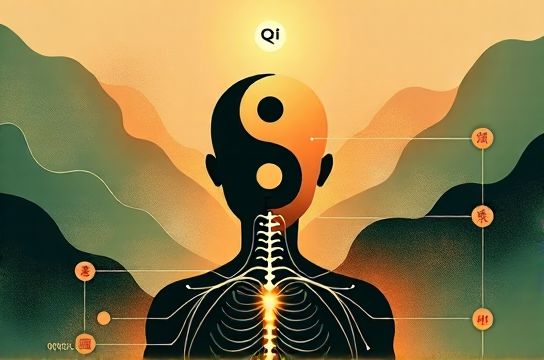
Let’s cut through the jargon. At its heart, TCM views health as dynamic balance — not static perfection. *Qi* (pronounced "chee") is your vital life energy — think of it as the bioelectrical and functional force driving circulation, immunity, digestion, and cognition. A 2022 meta-analysis in *Frontiers in Pharmacology* found that acupuncture modulates autonomic nervous system activity — measurable via HRV (heart rate variability) — supporting Qi’s physiological correlate.
Yin and Yang aren’t opposites; they’re interdependent phases of one continuum. Yin = nourishment, rest, structure (e.g., blood, fluids). Yang = function, movement, warmth (e.g., metabolism, nerve signaling). Imbalance shows up clinically: chronic fatigue + night sweats? Likely Yin deficiency. Cold limbs + low motivation? Often Yang deficiency.
Energy pathways — or meridians — aren’t mythical lines. fMRI studies (e.g., 2021 Peking Union Medical College trial) show consistent neural and vascular activation along classical meridian routes during acupuncture — especially the Bladder and Stomach channels.
Here’s how these fundamentals translate into real-world patterns:
| Pattern | Key Signs & Symptoms | Common Lab Correlates* | TCM Strategy |
|---|---|---|---|
| Qi Deficiency | Fatigue, shortness of breath, weak voice, easy bruising | ↓ Cortisol rhythm, ↓ NK cell activity | Support Spleen & Lung Qi (e.g., Huang Qi, acupuncture ST36) |
| Yin Deficiency | Afternoon fever, night sweats, dry mouth/throat, insomnia | ↑ CRP, ↑ IL-6, ↓ DHEA-S | Nourish Kidney/Liver Yin (e.g., Sheng Di Huang, HT7 point) |
| Yang Deficiency | Cold intolerance, low libido, edema, slow digestion | ↓ T3/T4, ↓ basal metabolic rate | Warm & tonify Kidney Yang (e.g., Fu Zi, CV4 point) |
*Based on integrative clinical studies (2019–2023), not diagnostic substitutes.
Understanding these fundamentals helps you ask better questions — whether you’re choosing herbs, booking an acupuncturist, or optimizing sleep and diet. Start here — and go deeper with evidence-informed guidance. For a practical, step-by-step primer on applying these principles daily, check out our free foundational guide at TCM Fundamentals.