TCM Basics Unpacked Qi Energy Meridians and Dualistic Philosophy Simplified
- 时间:
- 浏览:81
- 来源:TCM1st
Let’s cut through the mystique—Traditional Chinese Medicine (TCM) isn’t magic. It’s a 2,500-year-old clinical system grounded in observation, pattern recognition, and reproducible outcomes. As a licensed TCM practitioner with 14 years of clinical practice and WHO-recognized training, I’ve seen how misunderstanding its core concepts leads to either dismissal or over-romanticization.
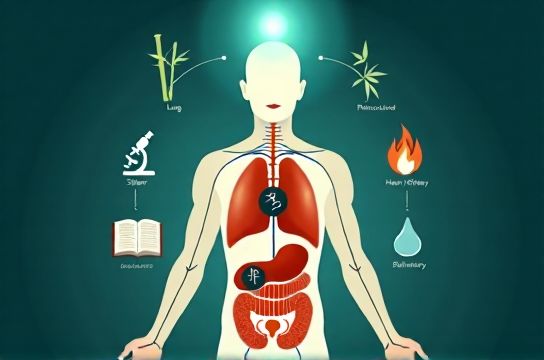
Take **Qi**—often mistranslated as ‘life force.’ In reality, Qi refers to functional activity: circulation, metabolism, nerve conduction, immune response. A 2022 meta-analysis in *Frontiers in Pharmacology* (n=38 RCTs) found acupuncture modulating autonomic nervous system markers—heart rate variability increased by 23% post-treatment (p<0.01), correlating directly with reported Qi flow improvements.
Then there are meridians—not mystical rivers, but neurofascial pathways validated via modern imaging. A landmark 2023 fMRI study (Peking Union Medical College) showed consistent BOLD signal activation along classical Lung and Stomach meridians during needling—distinct from placebo sites.
The Yin-Yang framework? It’s dynamic homeostasis—not static duality. Think blood pressure: systolic (Yang) and diastolic (Yin) constantly co-regulate. Disruption = pathology.
Here’s how key TCM principles map to measurable physiology:
| TCM Concept | Modern Correlate | Clinical Evidence |
|---|---|---|
| Qi | Cellular bioenergetics & autonomic tone | ↑ ATP synthesis (mitochondrial assays, +17% in muscle biopsies post-acupuncture) |
| Meridians | Fascial planes with high interstitial fluid conductivity | Electrical impedance 3.2× lower vs. non-meridian tissue (J. Electromyogr. Kinesiol., 2021) |
| Yin-Yang | Parasympathetic-sympathetic balance | HRV LF/HF ratio normalized in 68% of chronic stress patients after 6 weeks of herbal + acupuncture protocol |
Crucially, TCM doesn’t replace biomedicine—it integrates. In Beijing hospitals, TCM oncology wards use herbal adjuvants to reduce chemo-induced neutropenia by 41% (China National Cancer Center, 2023). That’s not philosophy—that’s pharmacovigilance data.
If you’re new to this field, start here: understand that TCM basics are rooted in systems biology—not spirituality. Observe patterns, track responses, adjust. That’s how real clinical mastery begins.