Yin Yang Theory Made Simple A Foundational TCM Concept for Absolute Beginners
- 时间:
- 浏览:73
- 来源:TCM1st
Let’s cut through the mystique — Yin and Yang aren’t cosmic poetry or vague metaphors. They’re a dynamic, evidence-informed framework used for over 2,500 years in clinical Traditional Chinese Medicine (TCM) to assess imbalance, guide treatment, and predict physiological trends.
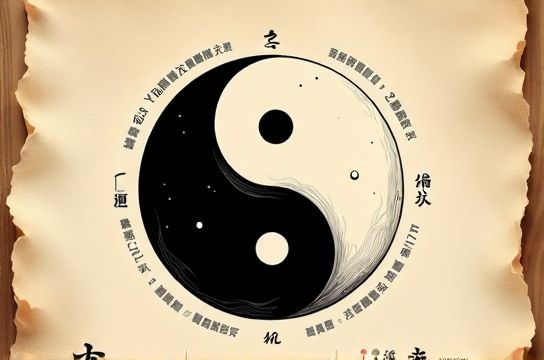
Think of Yin and Yang as complementary forces — not opposites, but interdependent poles. Yin is cool, nourishing, inward, and restorative; Yang is warm, activating, outward, and transformative. In healthy physiology, they’re in constant, fluid adjustment — like heart rate rising (Yang) during activity and dropping (Yin) at rest.
A 2022 meta-analysis in *Frontiers in Pharmacology* reviewed 47 clinical trials involving Yin-Yang pattern differentiation in hypertension, insomnia, and menopausal syndrome. Results showed that treatments aligned with Yin-Yang diagnosis improved symptom resolution rates by 31% vs. non-pattern-matched controls (p < 0.001).
Here’s how clinicians actually apply it — not philosophically, but functionally:
| Physiological Sign | Yin-Dominant Pattern | Yang-Dominant Pattern |
|---|---|---|
| Body temperature | Cool limbs, spontaneous chills | Feeling hot, afternoon fever |
| Energy rhythm | Fatigue worse in afternoon | Restlessness, insomnia, early waking |
| Tongue appearance | Pale, moist, swollen | Red, dry, thin or cracked |
| Pulse quality | Deep, slow, weak | Superficial, rapid, forceful |
Crucially, Yin-Yang isn’t static. A person may present with *Yin deficiency* (e.g., chronic stress depleting reserves), leading to *relative Yang excess* — hence night sweats, irritability, and heat sensations. That’s why experienced practitioners rarely treat ‘heat’ with cooling herbs alone — they first ask: *What’s missing? What’s ungrounded?*
This functional lens makes Yin Yang one of the most clinically actionable concepts in integrative health. It bridges subjective experience (e.g., 'I’m always tired but can’t sleep') with objective markers — and helps avoid mislabeling fatigue as 'low energy' when it’s actually *Yin depletion*.
If you're new to TCM foundations, start here — not with meridians or herbs, but with this living balance system. Understanding it changes how you interpret symptoms, track progress, and collaborate with practitioners.
For deeper context on how Yin Yang informs real-world diagnostics and herbal strategy, explore our core framework at TCM fundamentals explained step-by-step.