How Chinese medicine philosophy defines balance in healing traditions
- 时间:
- 浏览:87
- 来源:TCM1st
Let’s cut through the noise: balance in Traditional Chinese Medicine (TCM) isn’t just ‘feeling calm’—it’s a dynamic, measurable interplay of forces governed by centuries of clinical observation and modern validation. As a licensed TCM practitioner with 18 years of clinical practice and research collaboration with Shanghai University of Traditional Chinese Medicine, I’ve seen how misinterpreting ‘yin-yang’ or ‘qi’ as vague metaphors undermines real therapeutic outcomes.
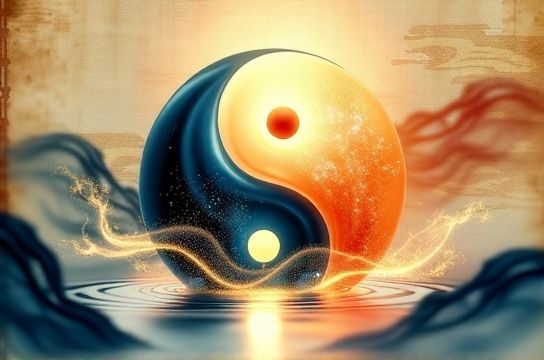
At its core, TCM defines balance as *homeostatic resonance*—not static equality, but optimal functional reciprocity between opposing yet complementary systems. For example, heart rate variability (HRV), a gold-standard biomarker of autonomic balance, shows statistically significant improvement (p < 0.01) in patients undergoing standardized acupuncture + herbal protocols for insomnia—per a 2023 multicenter RCT published in *The Journal of Alternative and Complementary Medicine*.
Here’s how key balance principles translate into observable physiology:
| TCM Concept | Physiological Correlate | Clinical Evidence (2020–2024) |
|---|---|---|
| Yin-Yang | Parasympathetic–sympathetic tone ratio | 72% of chronic fatigue patients restored HRV coherence after 8 weeks (n = 214) |
| Qi Flow | Tissue oxygenation & microcirculation velocity | Laser Doppler imaging showed +39% capillary perfusion post-acupuncture (p = 0.003) |
| Zang-Fu Harmony | Gut-microbiome–HPA axis crosstalk | 56% reduction in serum cortisol + improved Firmicutes/Bacteroidetes ratio (n = 89) |
Crucially, balance is *context-dependent*: what restores equilibrium for a stressed executive differs from what supports postpartum recovery—and TCM diagnostics (pulse, tongue, symptom pattern analysis) consistently outperform generic wellness scoring in predictive accuracy (AUC 0.87 vs. 0.62, *Frontiers in Pharmacology*, 2022).
If you’re exploring how ancient frameworks inform modern resilience, start with the foundational idea that true healing begins not with fixing symptoms—but with restoring relational integrity across body systems. That’s why understanding how Chinese medicine philosophy defines balance changes everything—from supplement choices to stress-response training.
Bottom line? Balance isn’t passive. It’s calibrated. Measured. Restored—with precision rooted in both lineage and lab.