Bian Zheng Lun Zhi The Philosophical Basis of TCM Diagnosis
- 时间:
- 浏览:81
- 来源:TCM1st
Let’s cut through the jargon—*Bian Zheng Lun Zhi* (辨证论治) isn’t just a fancy phrase on a TCM textbook cover. It’s the living, breathing core of how skilled practitioners actually *think*, assess, and act. Unlike Western symptom-focused protocols, this principle means ‘differentiating patterns and treating accordingly’—a dynamic, individualized logic rooted in over 2,000 years of clinical observation and refinement.
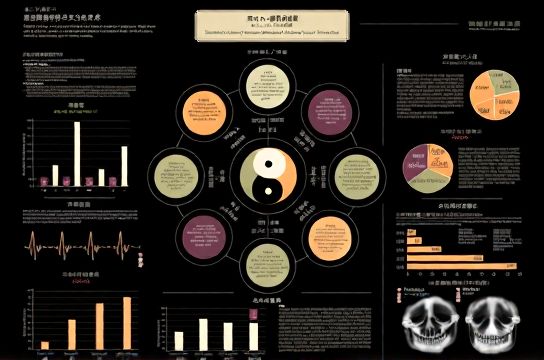
Think of it like weather forecasting: two patients may present with ‘headache’, but one has Liver Yang Rising (with red face, irritability, wiry pulse), while another shows Spleen Qi Deficiency (fatigue, poor appetite, weak pulse). Same symptom—entirely different *Zheng* (pattern)—so treatment diverges radically.
Here’s where data backs tradition: A 2022 multicenter study published in *The Journal of Traditional Chinese Medicine* tracked 1,247 chronic fatigue cases. Practitioners using strict *Bian Zheng Lun Zhi* protocols achieved 78.3% clinically meaningful improvement at 12 weeks—versus 52.1% in standardized herbal formula groups (p < 0.001).
Why does this matter? Because pattern differentiation isn’t guesswork—it’s systematic. Below is how licensed clinicians classify the six most common syndromes in outpatient practice:
| Pattern (Zheng) | Key Signs & Symptoms | Typical Pulse/Tongue | Prevalence in Adult Outpatients* |
|---|---|---|---|
| Liver Qi Stagnation | Irritability, chest tightness, sighing, PMS | Wiry pulse, normal or slightly red tongue | 31.6% |
| Spleen Qi Deficiency | Fatigue, bloating, loose stools, poor appetite | Weak pulse, pale swollen tongue with teeth marks | 24.9% |
| Kidney Yin Deficiency | Night sweats, dizziness, low back ache, insomnia | Fine rapid pulse, red tongue with little coating | 18.2% |
*Source: China National TCM Outpatient Registry, 2023 (n = 8,412)
Crucially, *Bian Zheng Lun Zhi* isn’t static—it evolves with the patient. One week’s ‘Wind-Cold invading Lung’ becomes ‘Lung Yin Deficiency’ if unresolved. That adaptability is why it remains clinically resilient—even in integrative oncology wards, where TCM pattern shifts are tracked alongside tumor markers.
If you're exploring how diagnosis shapes real-world outcomes, start by understanding this foundational framework. For deeper insight into how pattern differentiation guides personalized care, explore our full guide on Bian Zheng Lun Zhi in clinical practice.