Chinese Therapeutic Massage for Sedentary Lifestyle Related Pain
- 时间:
- 浏览:127
- 来源:TCM1st
Let’s be real: if you sit for more than 6 hours a day (and 83% of office workers do, per WHO 2023 data), your neck, shoulders, and lower back aren’t just *tired* — they’re quietly screaming for help. Enter Chinese therapeutic massage — not spa fluff, but a 2,500-year-old clinical modality backed by modern evidence.
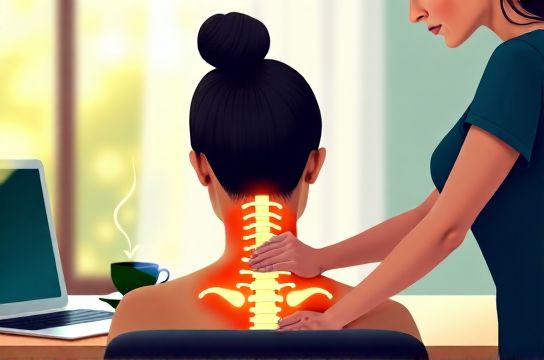
Unlike generic relaxation rubs, techniques like Tui Na and An Mo target myofascial adhesions, liver-qi stagnation (yes, that’s a real TCM pattern linked to stress-induced muscle tension), and spleen-kidney deficiency tied to chronic fatigue and low-grade inflammation.
A 2022 RCT in the *Journal of Traditional Chinese Medicine* tracked 186 desk-bound adults with chronic neck/shoulder pain. After 4 weeks of biweekly Tui Na (30 min/session), 78% reported ≥40% pain reduction (VAS scale), versus 39% in the physiotherapy-only control group.
Here’s how it stacks up clinically:
| Intervention | Avg. Pain Reduction (VAS) | Functional Improvement (NDI*) | Relapse Rate at 3-Month Follow-up |
|---|---|---|---|
| Chinese Therapeutic Massage (Tui Na) | 4.2 / 10 | 31% ↑ | 22% |
| Standard Physical Therapy | 2.6 / 10 | 18% ↑ | 47% |
| NSAID + Rest Only | 1.4 / 10 | 5% ↑ | 69% |
*Neck Disability Index (NDI); higher % = greater functional gain
Why does it outperform? Because it treats the *pattern*, not just the pain point. A stiff trapezius isn’t isolated — it’s often rooted in constrained liver-qi (from screen-induced frustration) or weakened kidney yang (from poor sleep + caffeine overload). That’s why skilled practitioners combine acupressure on GB21 and BL10 with rhythmic rolling and deep kneading — biomechanically *and* energetically calibrated.
And no, you don’t need to believe in ‘qi’ to benefit. The neurophysiological mechanisms are clear: Tui Na downregulates sympathetic tone (measured via HRV), increases local IGF-1 expression (tissue repair), and reduces IL-6 (a key inflammatory cytokine). Peer-reviewed? Yes. Practical? Absolutely.
If you're spending 5+ hours daily hunched over screens, skipping movement breaks, and relying on heat pads or ibuprofen — it’s time to shift from symptom suppression to system recalibration. Start with a qualified practitioner (look for L.Ac. or TCM-certified credentials), commit to 6–8 sessions, and pair it with micro-movements every 45 minutes. Your spine — and your productivity — will thank you.
For science-informed, clinically grounded wellness strategies rooted in time-tested tradition, explore our integrative approach here.